What is Rank Tracker?
Rank Tracker is all-in-one software designed to track keywords with freely customizable rank tracking dashboards and SEO reports. The original keyword rank checker tool by SEO PowerSuite serves around 20,000 monthly users, becoming part and parcel of daily SEO ranks checking.
Rank Tracker is the most powerful tracking software suitable for all types of professional SEO tasks. You can track ranks without any keyword limits, check positions in desktop and mobile SERPs, optimize for local search, do keyword research, analyze competitors' keywords and traffic — all in one ranking tool.




Advanced keyword position tracking
Rank Tracker is the most customizable rank checker tool you've ever come across. Scan the top 10, top 50, or even 1,000 search results, track global and local keyword rankings, get positions in Google SERPs or check any alternative search engine ranking — you can do that even with the Rank Tracker's free version.
Run this unlimited keyword position checker monthly, weekly, or daily, track keyword performance on desktop or mobile devices.
Without any limits on the number of websites or keywords to track, The Rank Tracker tool comes as the most cost-efficient keyword tracking solution on the market.
The most comprehensive SEO Rank Tracking software
The Google rank tracker will let you see keyword ranking positions in universal organic results as well as Google Maps listings. With all the SEO ranking analysis, you will:


Powerful rank tracking software
Google ranks checker
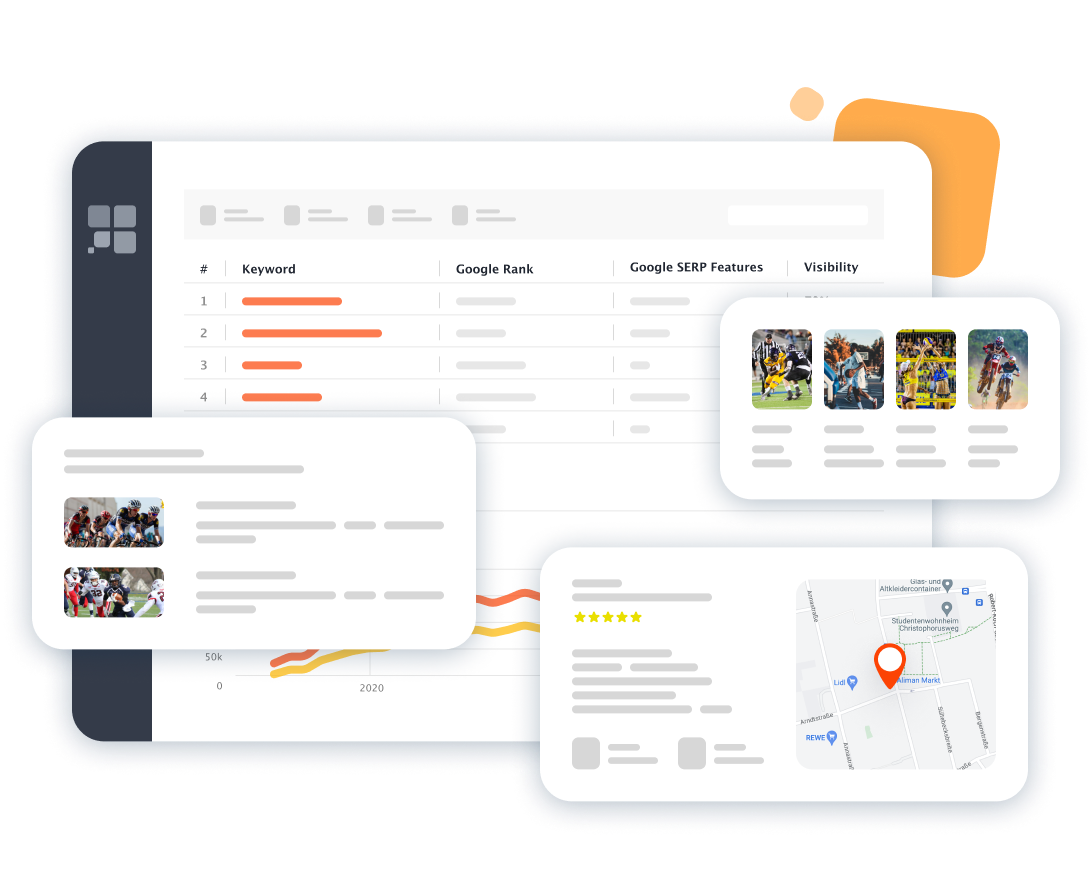
Rank Tracker lets you instantly check Google rankings in any location on the globe. The tool not only checks accurate organic listings on desktops & mobiles. It also records rich results, including:
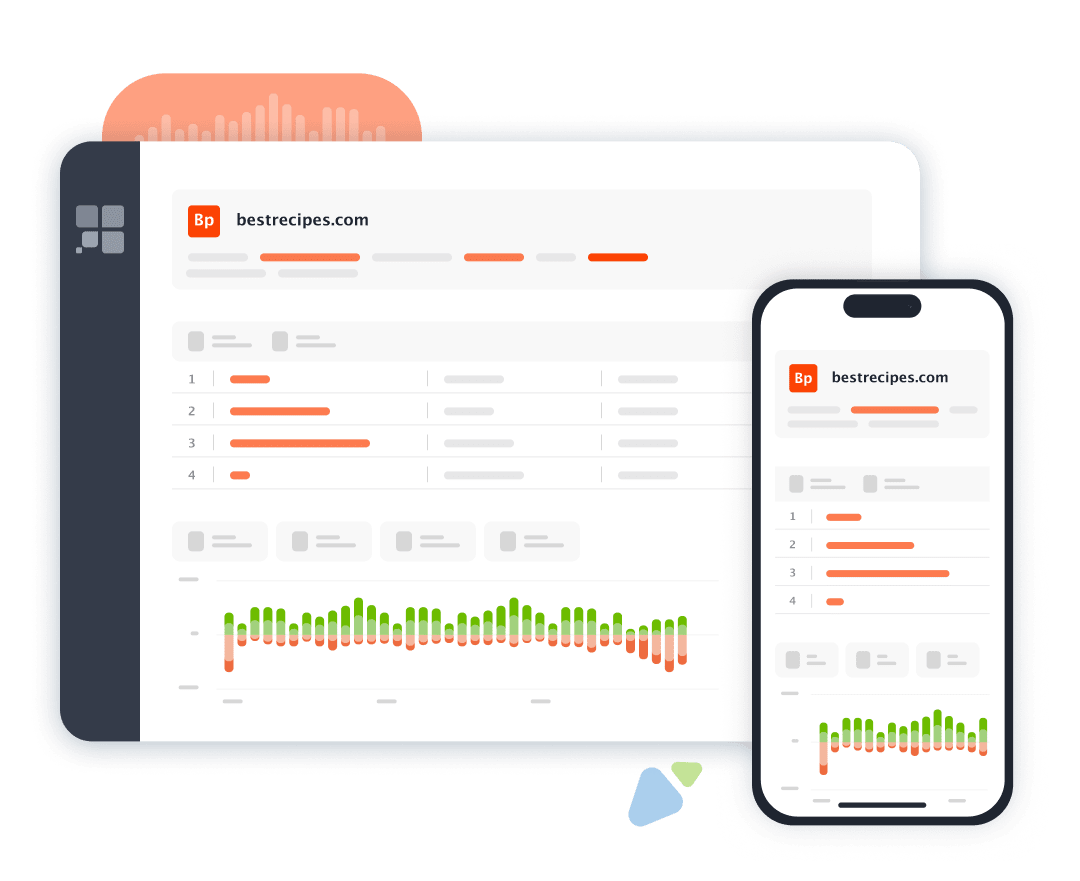
Mobile rank tracker
More than half searchers come from smartphones, that is why mobile tracking is crucial to effective search optimization.
The mobile keyword rank checker lets you add Googlebot Mobile as a separate search engine for tracking your keyword optimization efforts. Switch between desktop and mobile keyword rank tracking to see the real picture of the SERPs. Check out mobile search features and tweak the best optimization ideas pertaining to mobile SEO.
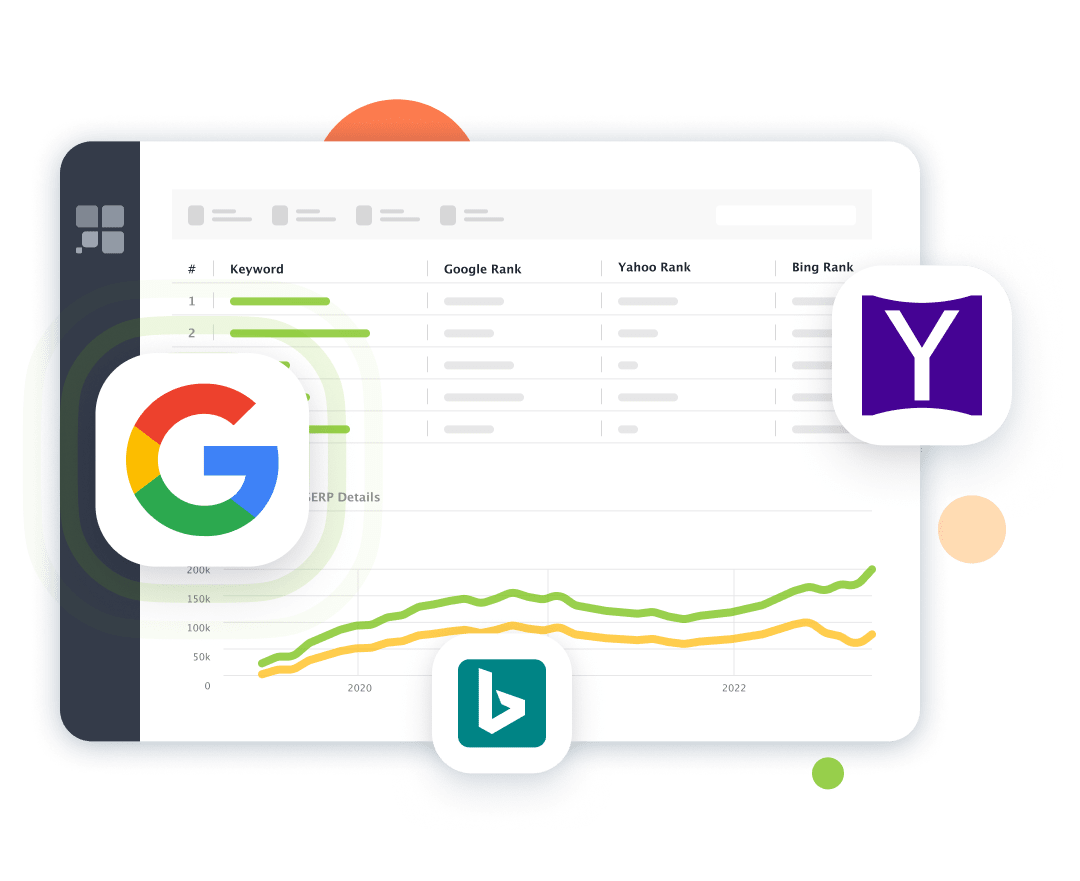
Rank tracking in Google, Bing, Yahoo, and more
In addition to the Google rank tracker, you can track geo-specific rankings in all possible locations across the globe — add as many alternative search engines as you need to work with. We support Bing, Yahoo, Naver, Baidoo, Yandex, and even YouTube rankings checks.
Local SEO rank tracker
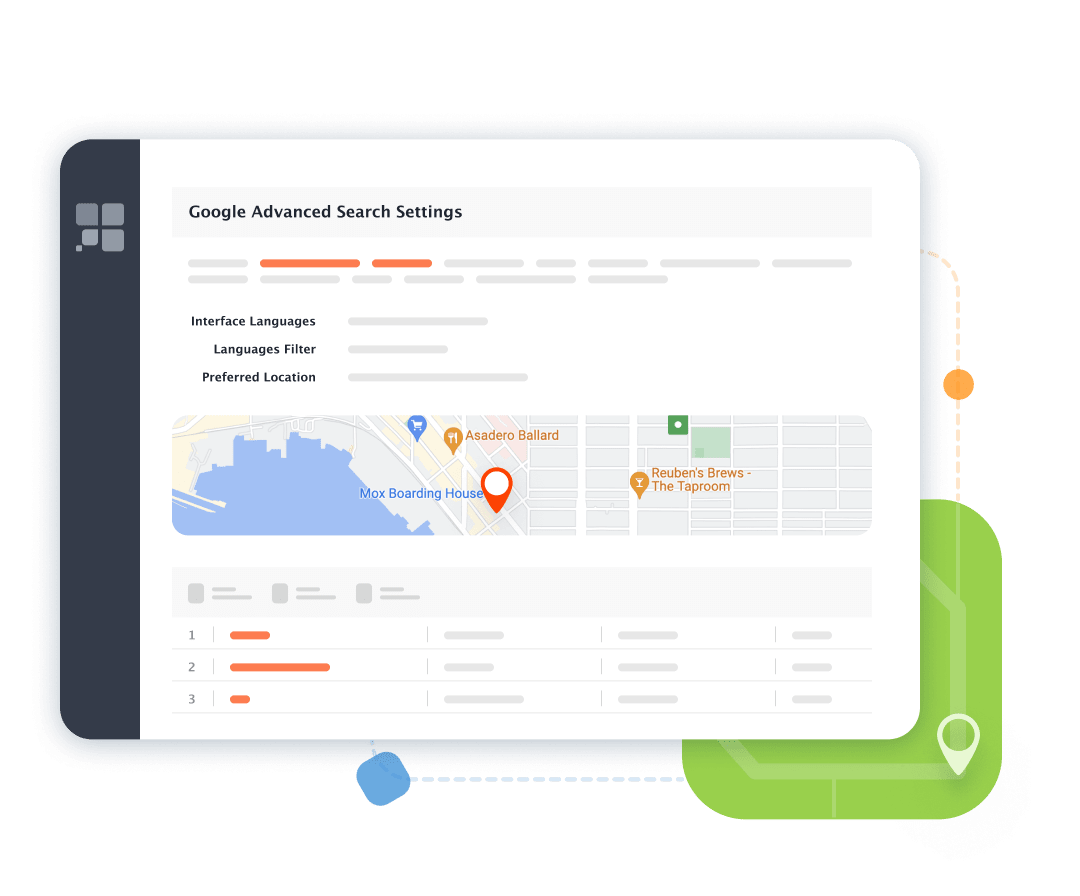
Looking to track keyword rankings in a location different from your own? Or, perhaps, search engine rankings from multiple locations? You've come to the right place.
Rank Tracker is the only local rank tracking software that accurately checks positions for the exact location of your choice: country, state, city, or even an exact street address. Like everything else in this keyword position tracker, these locations are — you guessed it — unlimited.
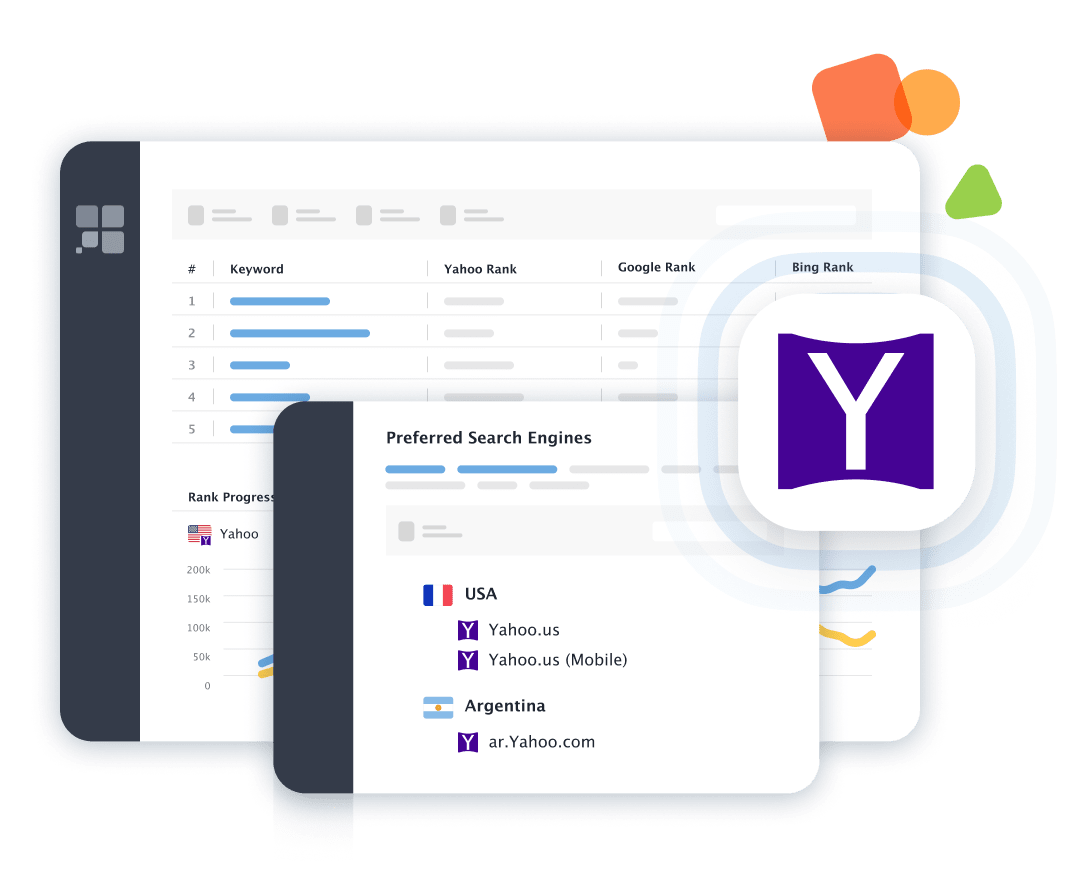
Yahoo rank tracker and keyword tool
You can use the Rank Tracker SEO tool to check keyword positions across various search engines, including Bing and Yahoo. On top of that, Rank Tracker's keyword suggestions will let you leverage Yahoo! Search Assist via Rank Tracker's in-built Yahoo autocomplete suggestions and Yahoo related searches. If you've been looking for a Yahoo Rank Tracker, this is the best solution for now.
Yandex rank tracker
The Rank Tracker tool covers all popular alternative search engines, including Yandex. Alongside checking organic rankings in Yandex, you can use keyword research to get insights directly from Yandex Wordstat. For measuring all the ups and downs and leveraging SEO rankings in Yandex, get help from the most effective Yandex Rank Tracker.
YouTube video checker tool
The Rank Tracker tool treats YouTube as a separate search engine. It lets you check video rankings on YouTube, in Google video results, observe video features on Google, and research video competitors. The keyword research module also includes YouTube autocomplete suggestions helping to choose profitable video keywords. Just like with all other search engines, the YouTube rank tracker tool lets you build custom video ranking reports.
Tracking keyword positions history
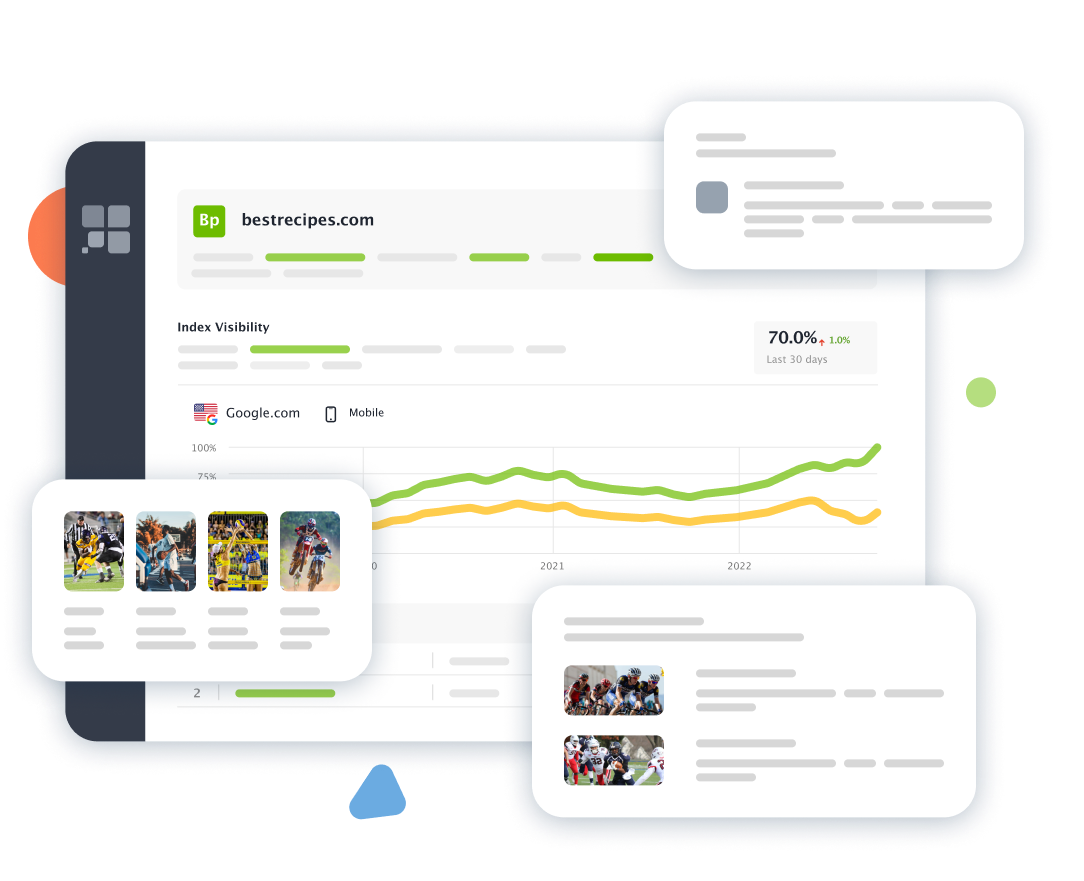
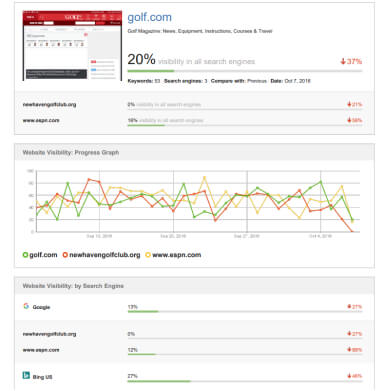
The position tracking tool saves the SERP history with top 30 results upon each ranking check. The rank checker will keep the ranking history years back for as long as you need. This way, you will have all-time access to your historic search engine ranking to review how you and your competitors evolved. Besides, the tool will calculate online visibility changes over time — for an individual keyword or a group of keywords.
Plug into Google keyword tools
The keyword rank tracker lets you integrate Google Analytics and Search Console to analyze your current keyword ranking positions. Used together, these sources will give you thousands of keywords you wouldn't have found elsewhere on the web.
The rank checker quickly combines data from the most popular Google tools, giving a clear overview of your current keyword trends. The dashboards cover all your impressions and clicks, organic page traffic and organic keywords traffic, as well as estimated PPC trends and costs.
Google ranks checker
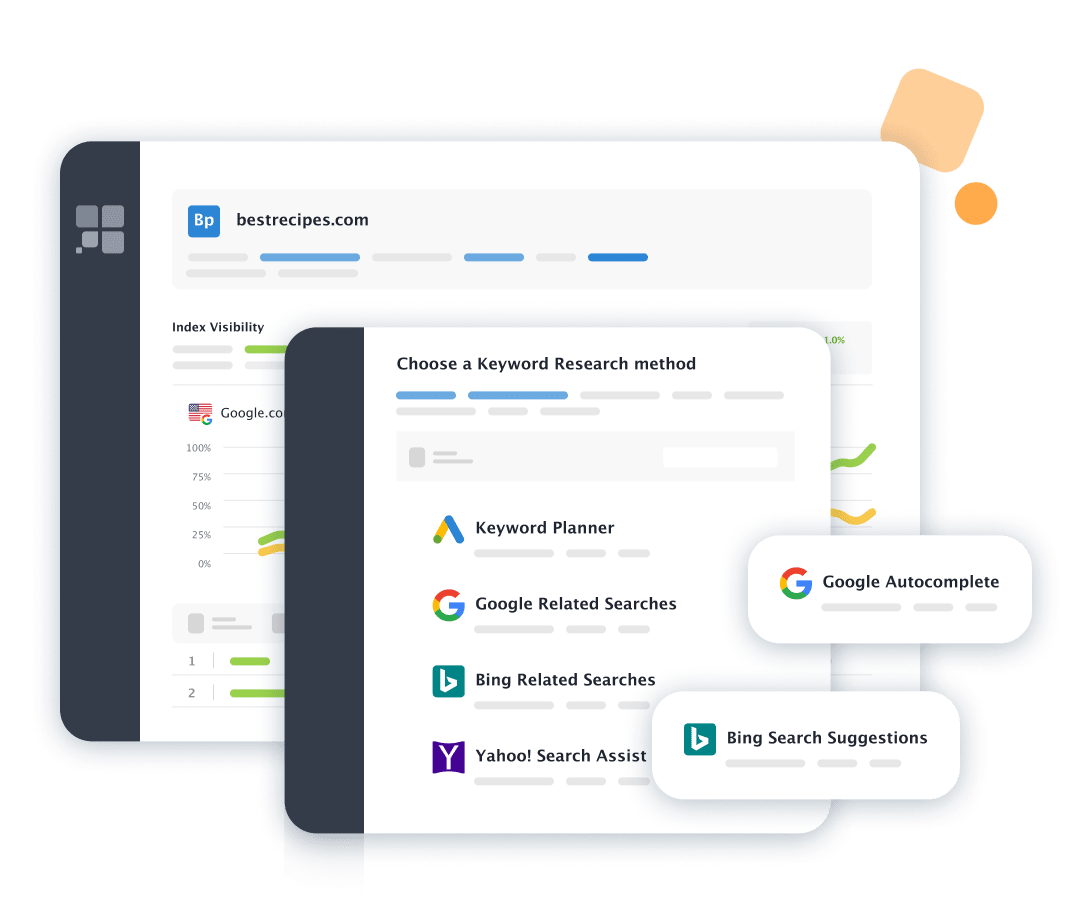
The keyword rank checking tool combines popular keyword research tools all rolled into one:
SEO rank tracker will automatically group your keyword ideas by topic. This way you can examine and target entire keyword groups instead of going through bulks of terms one by one.
SEO analysis stats




Free SERP Checker Tool
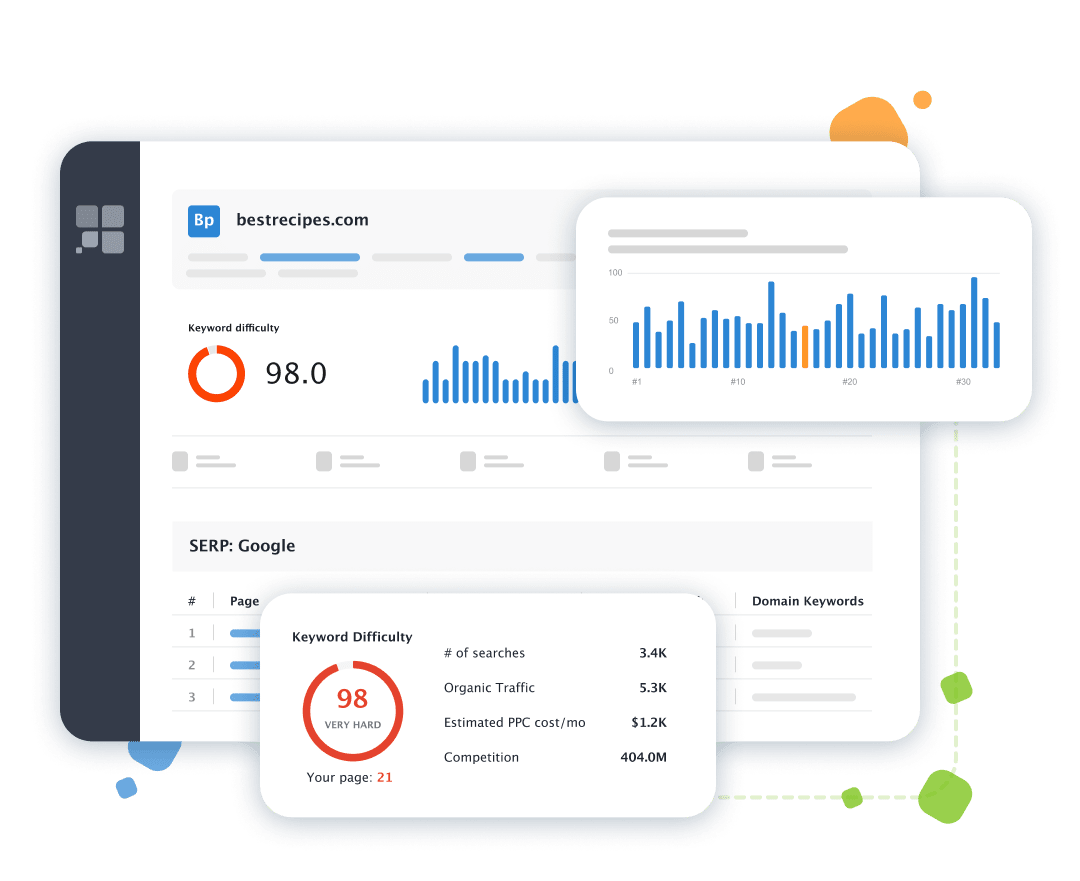
Keyword Difficulty
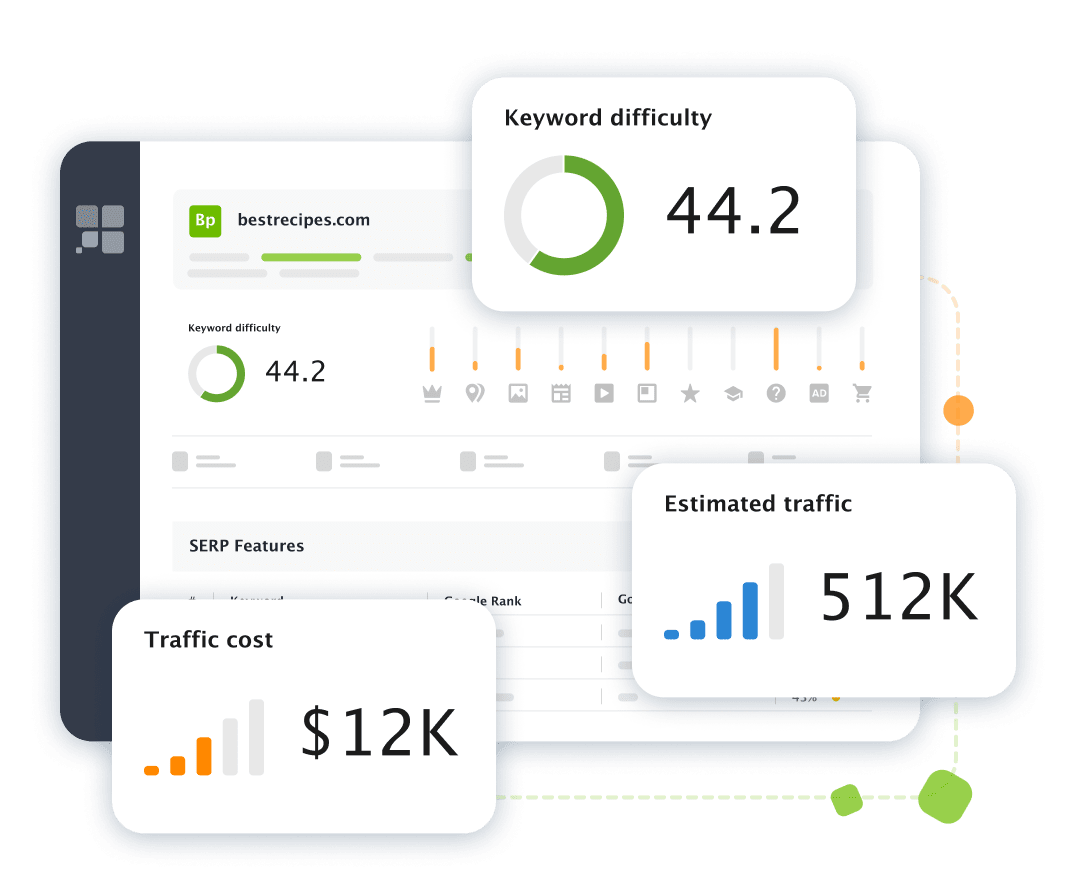
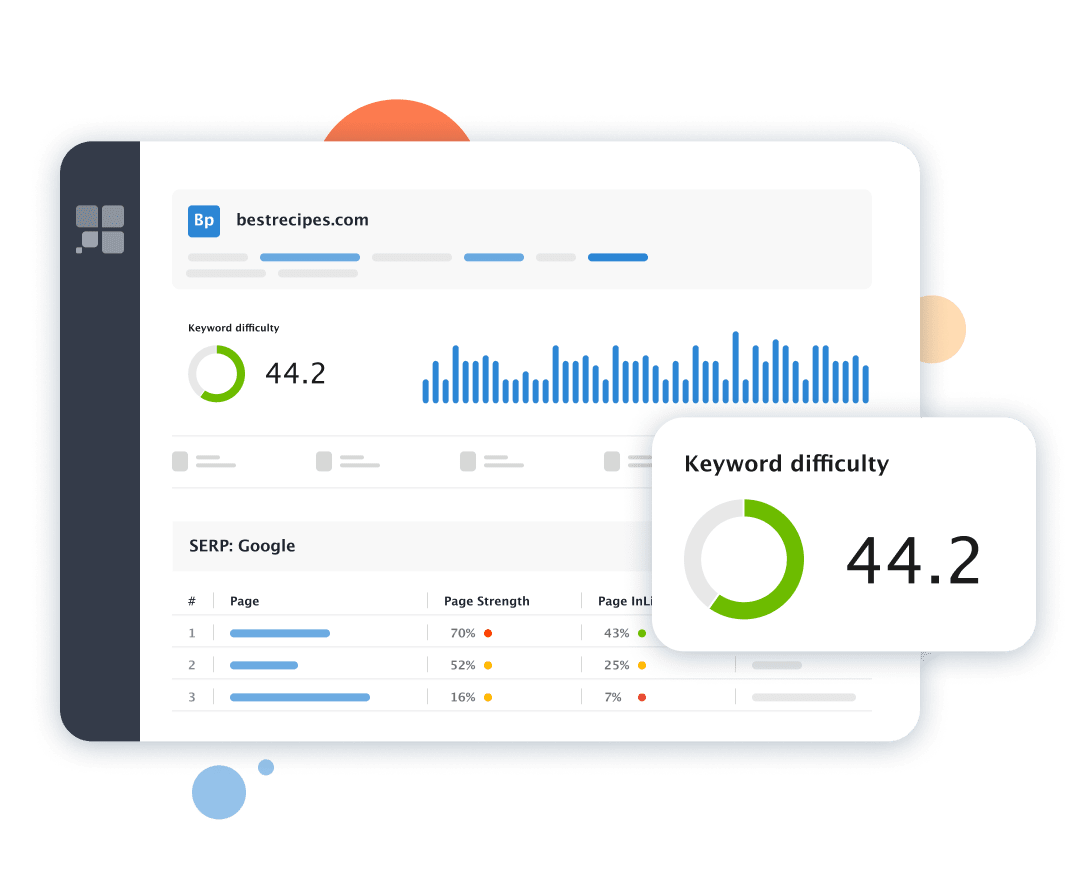
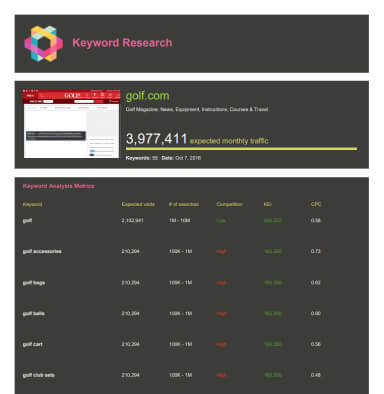
Beyond SEO metrics like search volume and competition, the rank checker calculates Keyword Difficulty for every term — a complex metric that takes into account all SEO strengths and weaknesses of the sites from your top 10 competitors.
Picked the winners? Assign keywords and groups to specific URLs to further monitor their keyword positions in Rank Tracker's Keyword Map. There you will find custom reporting dashboards for:
Instant SERP analysis
Use this free tool to analyze a keyword's potential. The SERP checker sees the top 30 results for a keyword and detects correlations between different ranking factors. See which SEO factors — keywords, backlinks, or pagespeed — will help you compete for the best position in Google results.
SERP checker with SEO intelligence
Use one of the most efficient SEO strategies — watch your competitors. The keyword rank checker lets you track competitors' keyword tactics and see how well they're doing in organic search results.
Discover organic competitors
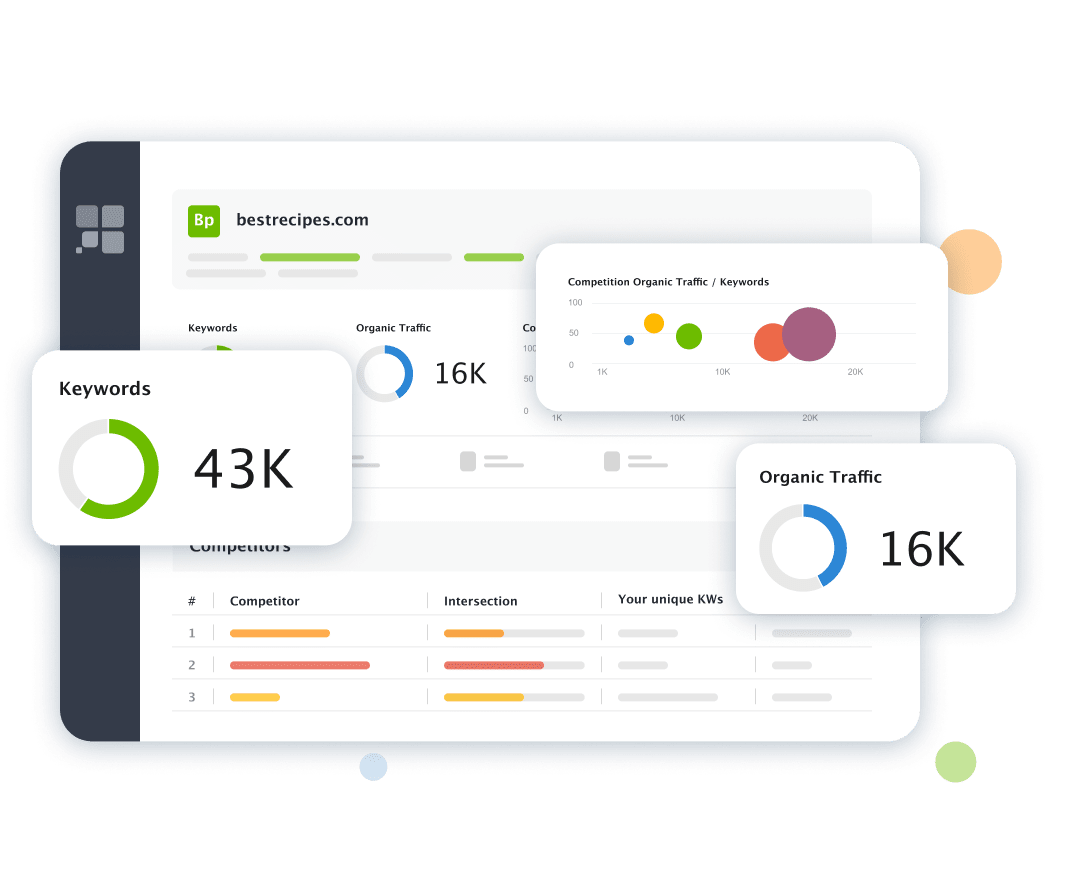
How to find organic competitors on SERPs? Ask the keyword position checker about it. The tool will look it up on SERPs and suggest your topic competitors and domain competitors.
You will see the level of intersection with the discovered domains. The tracker tool suggests the number of common keywords, unique keywords for you and your organic competitors. The visual graph lets you see how much you overlap with them.
Find competitors' best keywords
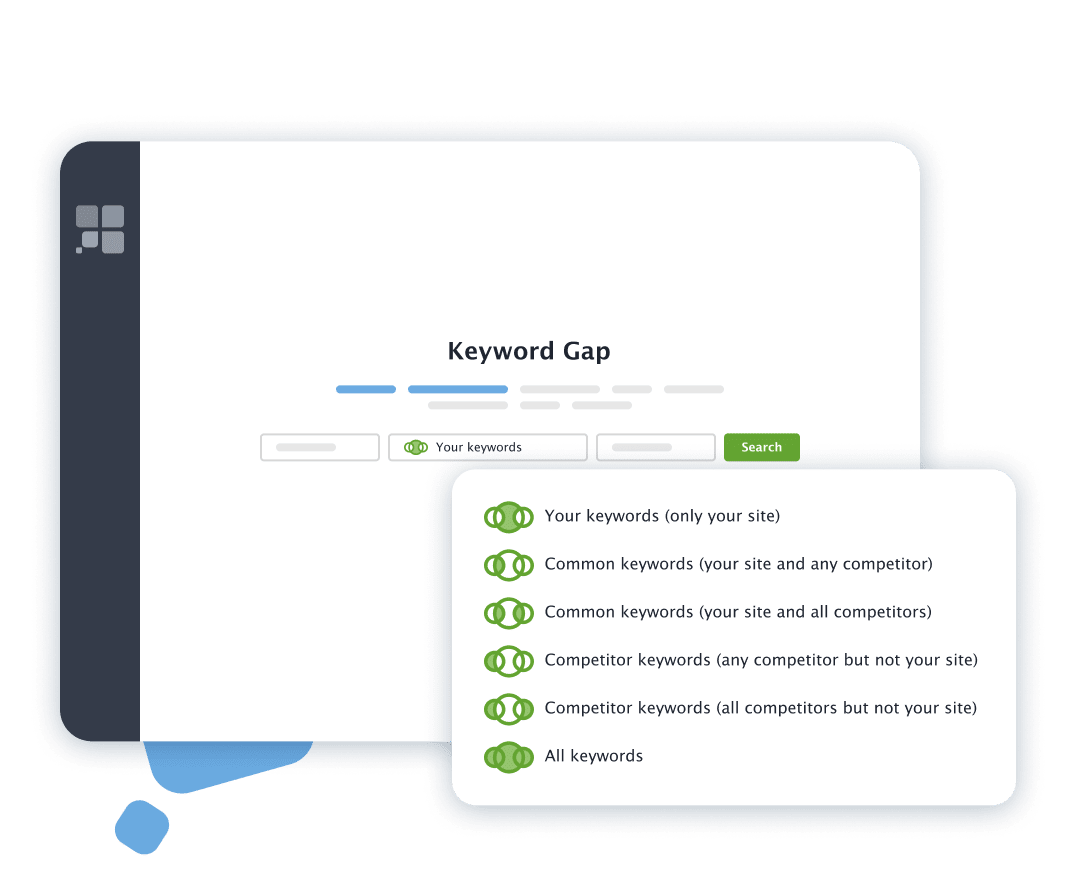
The rank checking software combines the most powerful competitive research methods to help you with optimization. The tool will easily find your competitors' Ranking keywords that bring them most of the organic traffic. Next, you can use the Keyword Gap tool to find out which powerful keywords you're missing in your SEO strategy.
Track competitive rankings
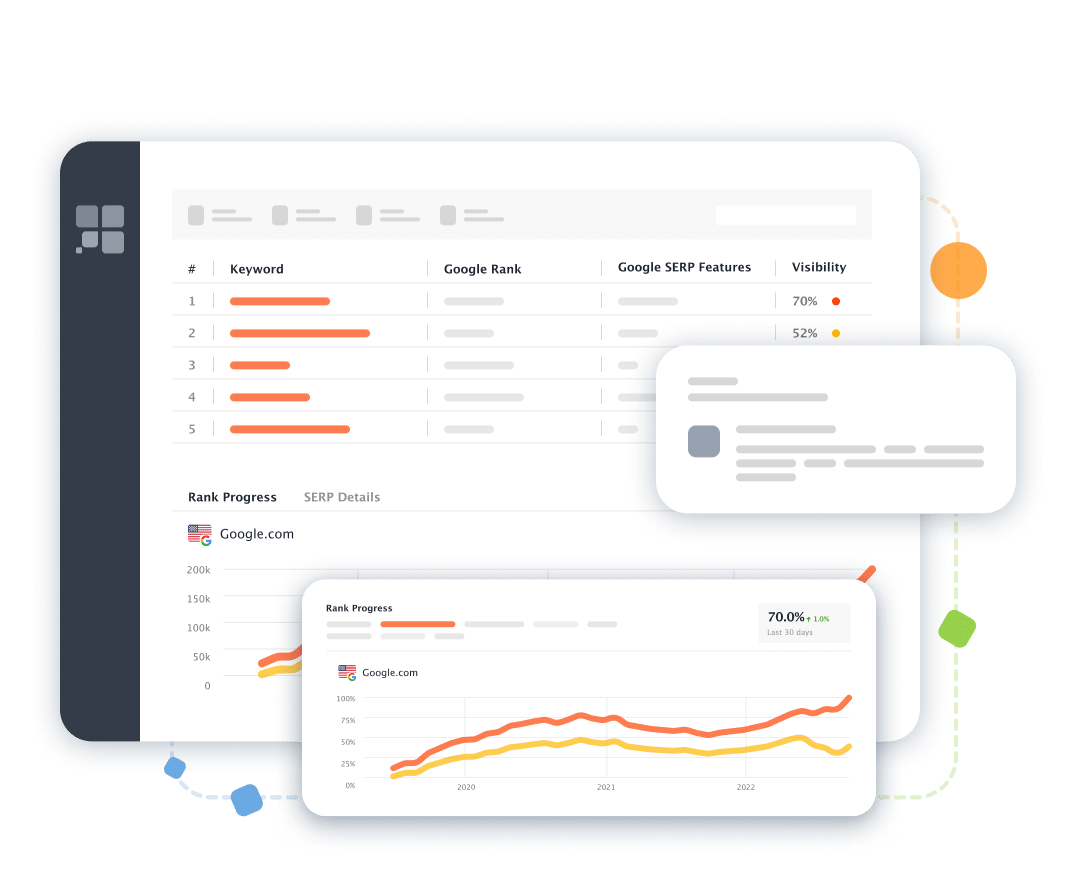
Ready with the killer keyword list? Add your SEO competitors to the tracking software to check their positions and SERP features. Track your competitors' average position and ranking history, and see how your ranking position improves in comparison.
The tracker tool allows checking:
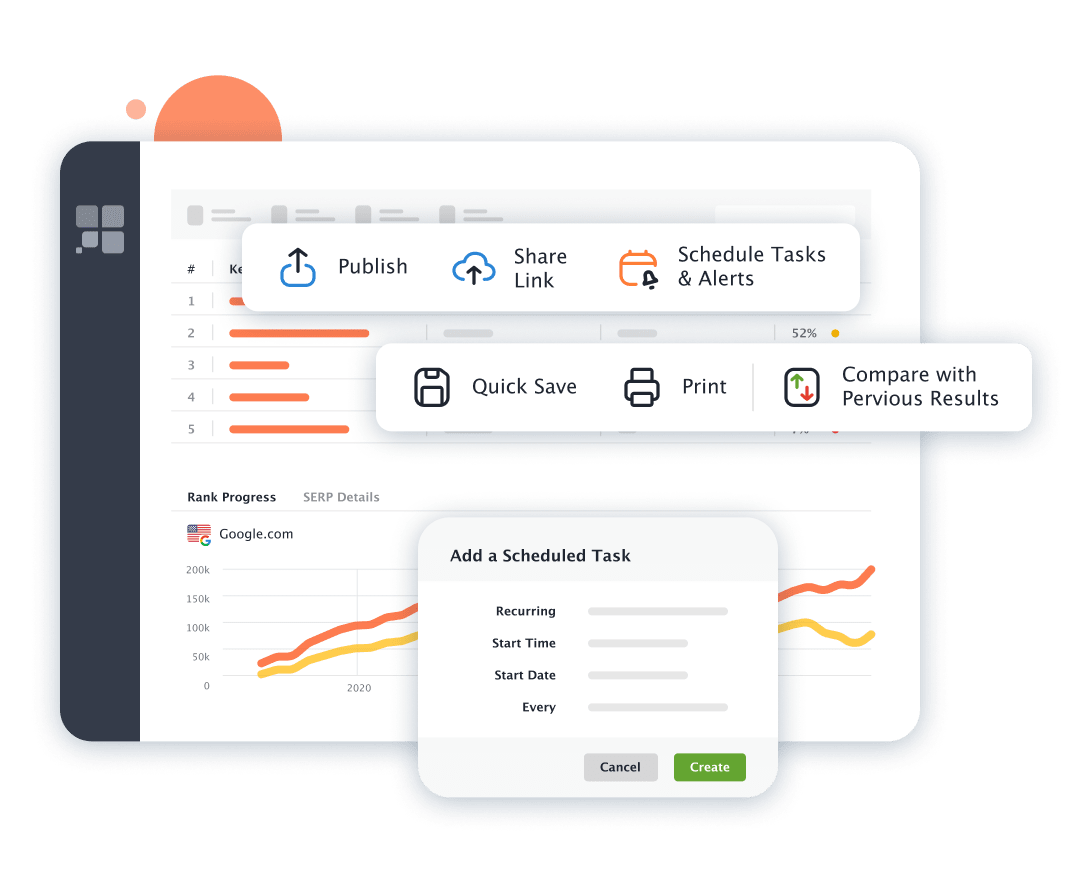
Position tracking tool with automated SEO tasks
Instead of checking your rankings manually, you can use scheduling functions. Make the tool check the ranking progress for your target keywords as often as you need — daily, once a week, a month, or on your custom date.
It takes only a few minutes to set up a daily rank checking automated task. The rank tracking software will check the search engine rankings for your website on autopilot — quick and easy.
Keyword rank tracking tool
Sharing your keyword ranking reports with clients is super easy: the rank checker will upload your report to the Dropbox or SEO PowerSuite cloud and instantly give you a shareable link. Looking for a way to automate reporting completely — be it keyword positions or SEO stats?
Set up a scheduled task, and the rank checker will build your keyword rankings reports on autopilot. Choose how you prefer to deliver them to your clients: as a custom HTML email or a direct link.
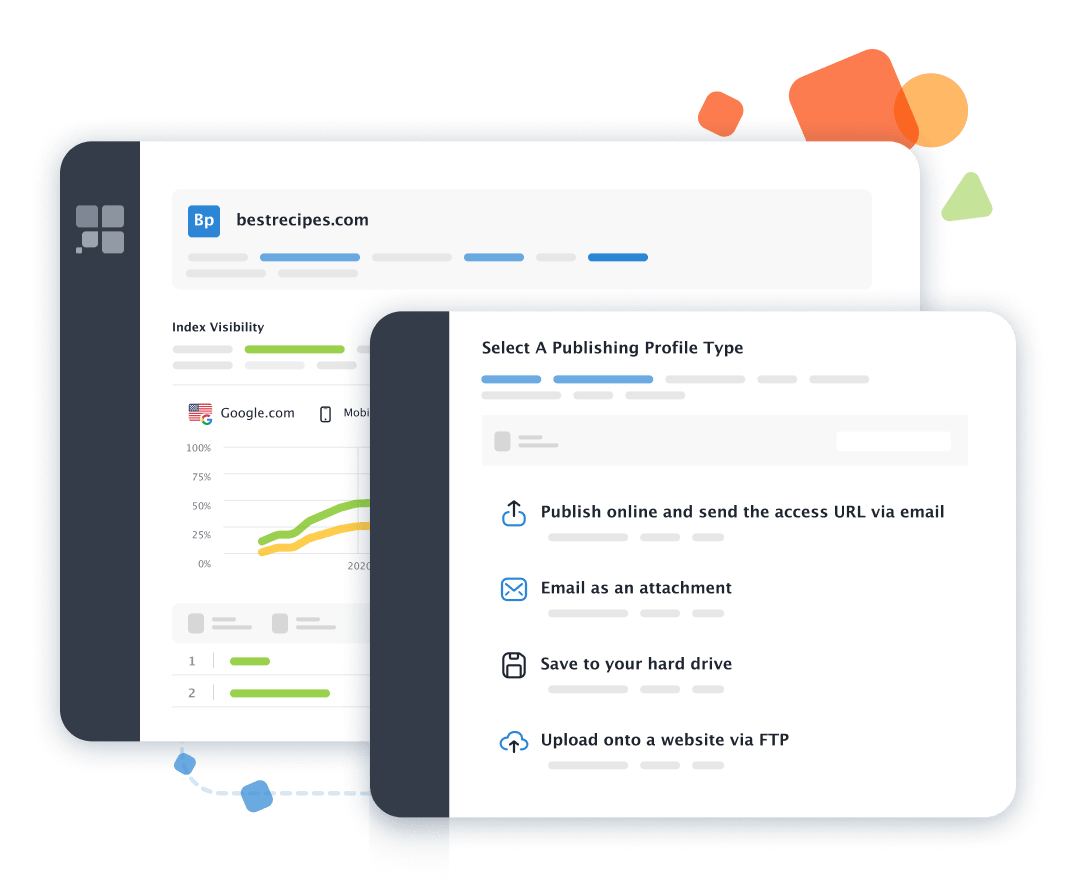








Custom keyword ranking reports
Rank Tracker's SEO reports are fully customizable, white-label, and designed to look fabulous on all devices. There are 8 custom rank tracking reports that you can customize easily:

Do accurate SEO rank tracking
FAQ about Rank Tracking Tool
What is rank tracking?
How to check a keyword position on Google?
How to track local keyword rankings?
How to track featured snippets?
How to track my competitor's rankings?
Can I build custom SEO ranking reports?
Is your Rank Tracker free?
How do I check my Bing ranking?
How can I check Yahoo keyword ranking?
How do I check my Baidu ranking?
The best Rank Tracker to back your SEO strategy
What makes Rank Tracker on a par with the best rank checking tools? The software contains lots of professional features similar to those offered by market leaders like Semrush or Ahrefs. And some functionalities are unique proprietor features. All this makes Rank Tracker an incomparable solution for its scope of work and pricing.