
Find and remove every toxic backlink
Low-quality, spammy backlinks may result in Google penalty, putting your overall site rankings at risk. That is why toxic backlinks need to be instantly detected and neutralized. No matter if they are the result of your own black-hat link building practices or your competitors' negative SEO.
The Penalty Risk Link Audit feature in SEO SpyGlass lets you automatically detect each and every toxic link in your backlink profile and keep your site safe from Google's link penalties.
Get all the benefits of bad links detox


Get your backlink audit in 5 steps
Boost your backlink profile with SEO SpyGlass Easily check and remove toxic backlinks & create disavow files
How toxic backlink checker finds spam backlinks
Since the Penguin Penalty release, Google has been mastering its guidelines on quality content. That's why a lot of controversy arises around link risks and how to handle them.
In SEO SpyGlass, we've built this comprehensive toxic backlinks checker to help you make sense of what is truly harmful to your site's backlink profile. The tool is set to analyze your links in the same way as Google does.
Our backlink analysis tool covers factors like:
Penalty Risk calculation algorithms. How we identify toxic backlinks
In the early years of Google PageRank, SEOs used spammy link-building schemes to artificially flow more link juice to their websites. Usually, these links came from link directories, PBNs, and paid link schemes, which did not add value for visitors. This made Google develop an algorithm that would penalize and de-rank web pages for having such toxic backlinks.
To simplify SEO routine, most spam checkers estimate penalty risk for backlinks. Our toxic backlink checker tool generates the Penalty Risk score for a site in general and for each link individually. The spam score takes into account such metrics as:
After the checker completes the scan, the percentage value of Penalty Risk is calculated. This score shows the likelihood of a backlink to cause a Google algorithm penalty. This metric points to all dangerous backlinks you need to immediately steer clear of.
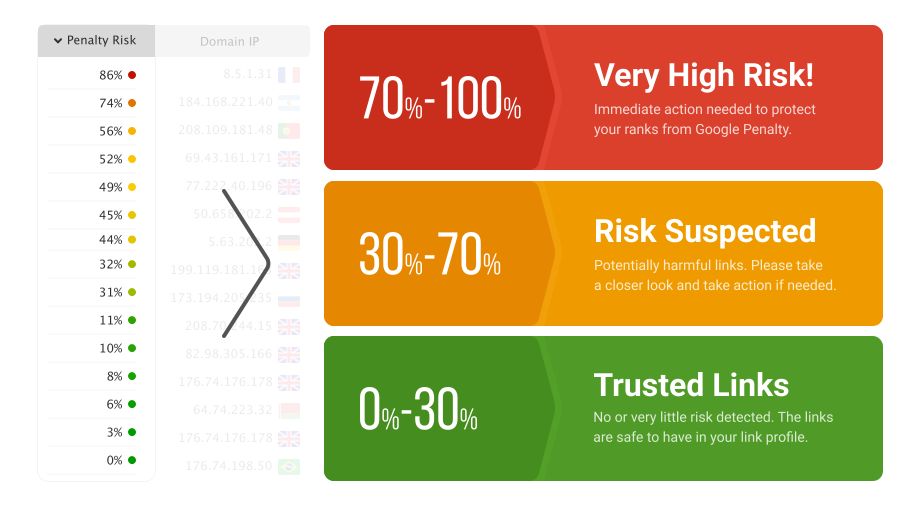
A link with a 0 to 30% risk value is considered safe. A link in the 30 to 70% range is also a marker of pretty high quality, but may potentially be harmful, so it's recommended you take a closer look at it. A Penalty Risk of over 70% indicates lower-quality links and calls for urgent link detox action.
Today, search engines are smart enough to simply ignore link spam. Yet, having toxic backlinks in a profile may undermine the website's reputation and trust. Besides, you may get a manual penalty for black-hat linking practices. The affected website may get demoted or disappear from the search results at all. That is why it is highly recommended to remove those backlinks. And the link checker will help you do this ten times faster.
Audit your site's backlink health
Step 1. Run backlink analysis with SEO SpyGlass to overview your site
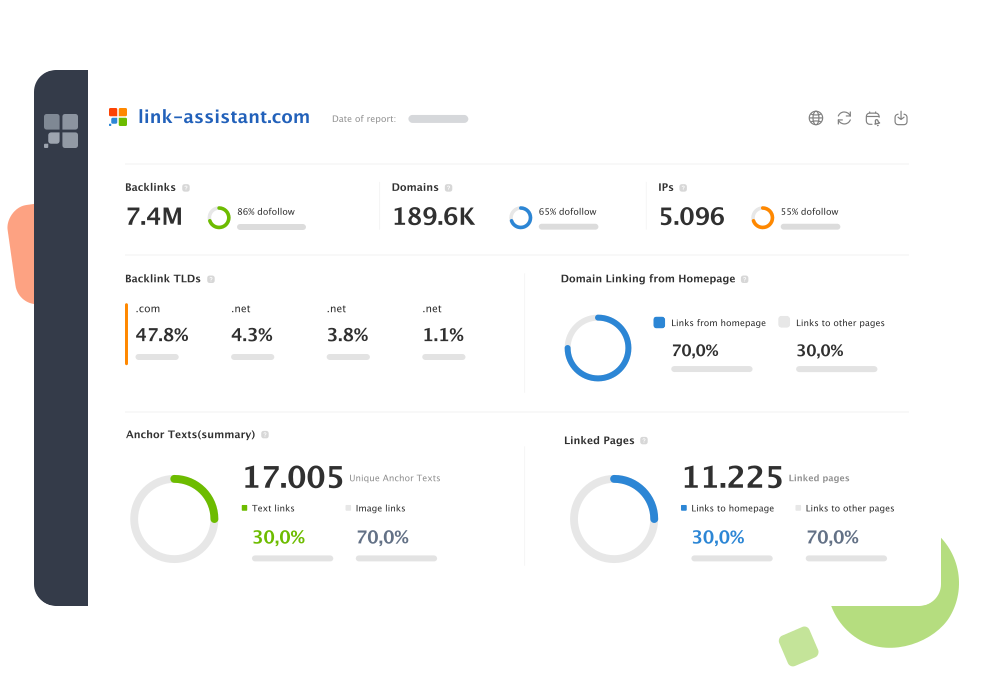
SEO SpyGlass analyzes the backlink profile in its whole complexity: domain authority and PageRank flow, inbound and outbound links, and your top referring TLDs. You can also see most common backlink countries, whether too many links come from the same C-Class blocks / IPs, content is linked with diverse anchors, or anchors are optimized for the same keywords. The Summary dashboard helps you quickly determine if the website has a good backlink profile.
Step 2. Analyze your backlinks in detail
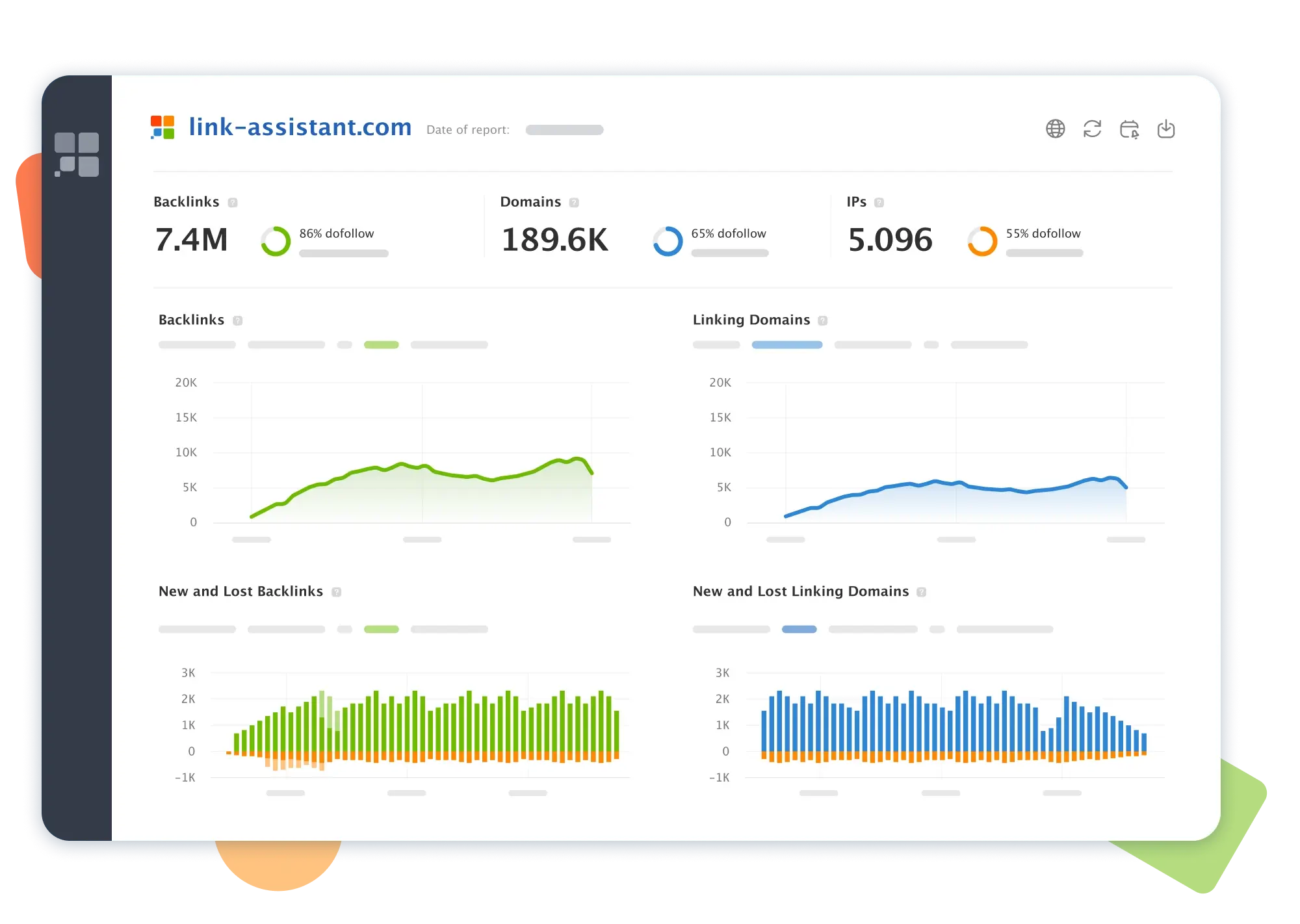
In the Backlinks submodule, you will find detailed backlink analytics: the upper dashboard shows general insights into the backlinks history and the link type ratio. Quick filters let you sort all backlinks by dofollow/nofollow type, differentiate between text and image links, and find which websites are referring from their homepages. You can recheck backlinks altogether or each link separately. Just right-click on a linked page and see from which pages the backlink was generated.
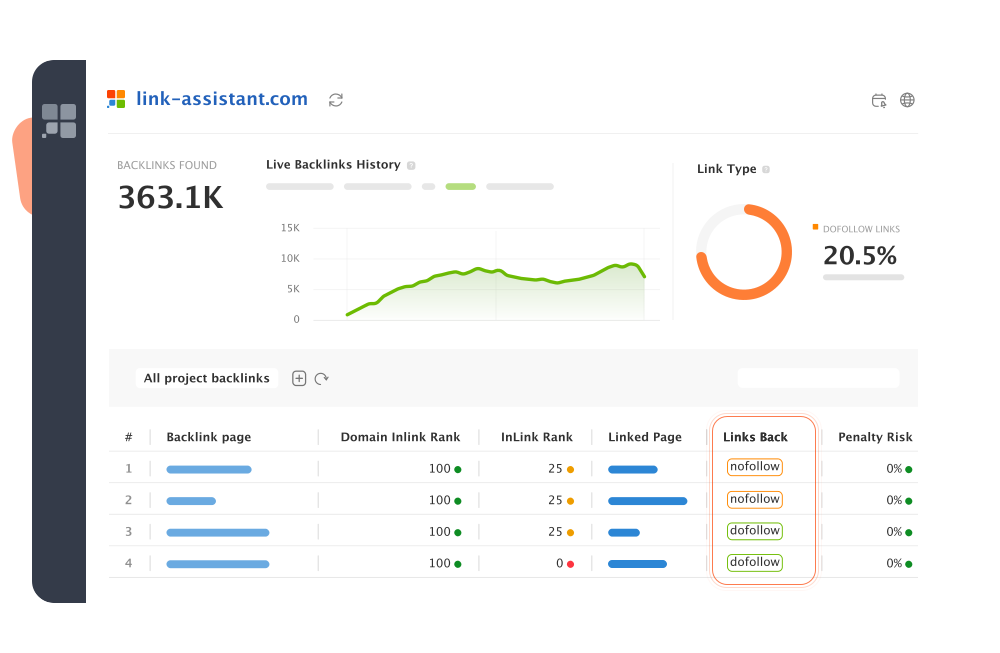
Step 3. Find toxic backlinks in your site's backlink profile
Now look at the Penalty Risk column. The green zone is a place of good backlinks. They are totally safe, so don't focus on them. Those in the orange zone require a deeper investigation of penalty risk factors. You need to understand if they are a real threat to your domain score, or are fine to keep. The links in the red zone definitely bring you no use and may even cause a Google algorithm penalty. Get rid of them, especially if their quantity is unforgivingly huge.
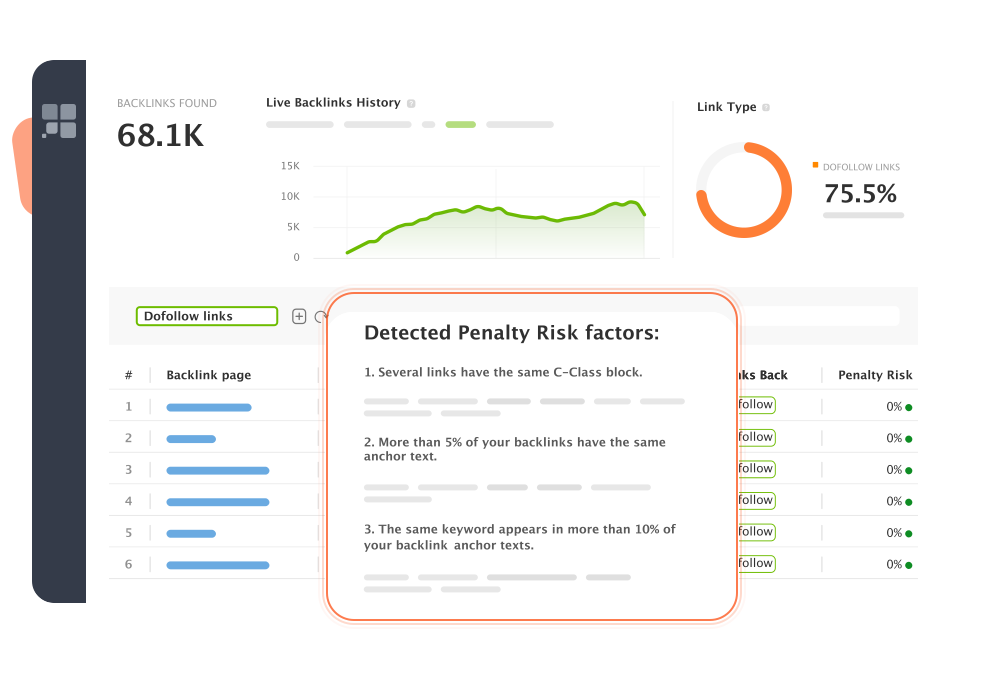
How to remove toxic backlinks affecting your site

Contact webmasters or site owners of the referring domains, asking them to remove the link affecting your site. If you don't have their emails, find them with LinkAssistant. Just copy the backlinks you'd like to remove to the tool and get contact information for each of the referring websites. You can email them right there, too.
It's also very probable that some webmasters will ignore your emails. In this case, the best solution is to use the Google Disavow tool to tell the search engine it should ignore those links in your backlink profile.

Use a disavow file generator in SEO SpyGlass
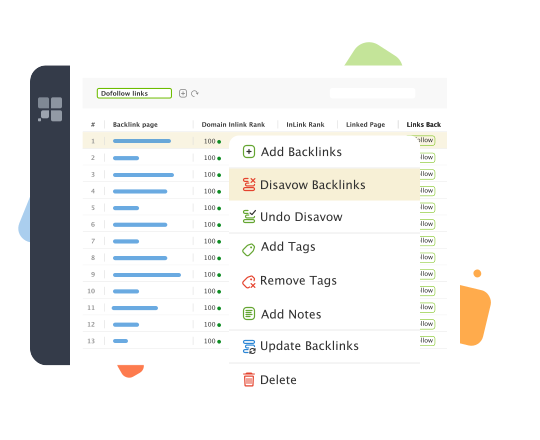
Select the toxic backlink (or a list of poor quality links filtered by the InLink Rank and Penalty Risk values, tags, etc.), right-click it, and hit Disavow backlinks.
In the menu that pops up, choose whether you'd like to disavow only the backlink page or the whole linking domain. Pretty often, you'd want to disavow at the domain level, since there can be thousands of poor-quality links coming from the same domain.
In the same view, you can add comments to the records you're disavowing. Comments are useful for your own future reference — whenever you review or edit your disavow list, you'll instantly see what kind of websites you were disavowing and why.
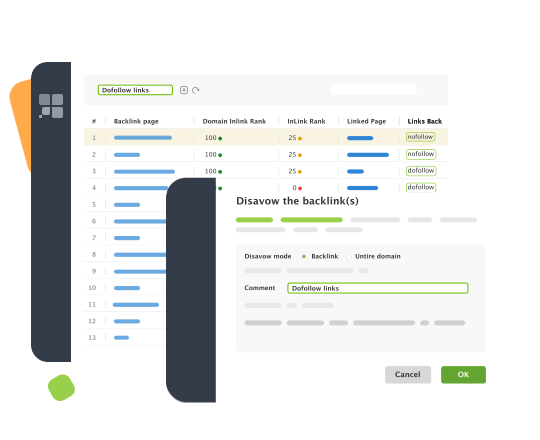
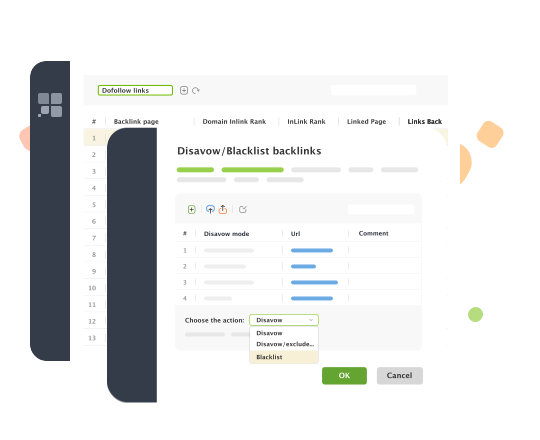
After you've created a disavow list, go to Preferences > Disavow/ Blacklist backlinks. At this stage, you can edit the comments and add or remove links from the list. Besides, choose whether you're about to simply disavow the links (exclude them from all future updates you run in SEO SpyGlass), or blacklist the links completely (have them removed from your project).
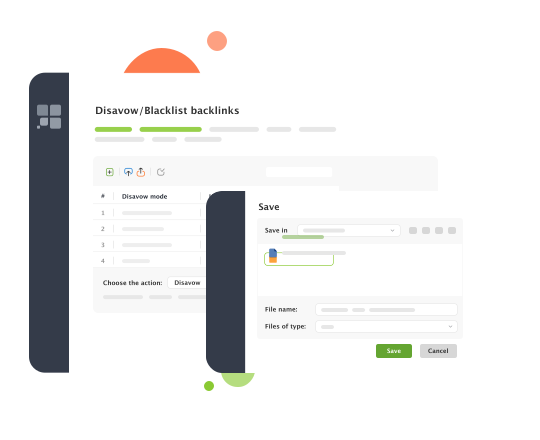
Once you're done with completing your disavow list, hit the Export button and select the folder to save the file. So that you can upload it to the Google Disavow Tool in Search Console.
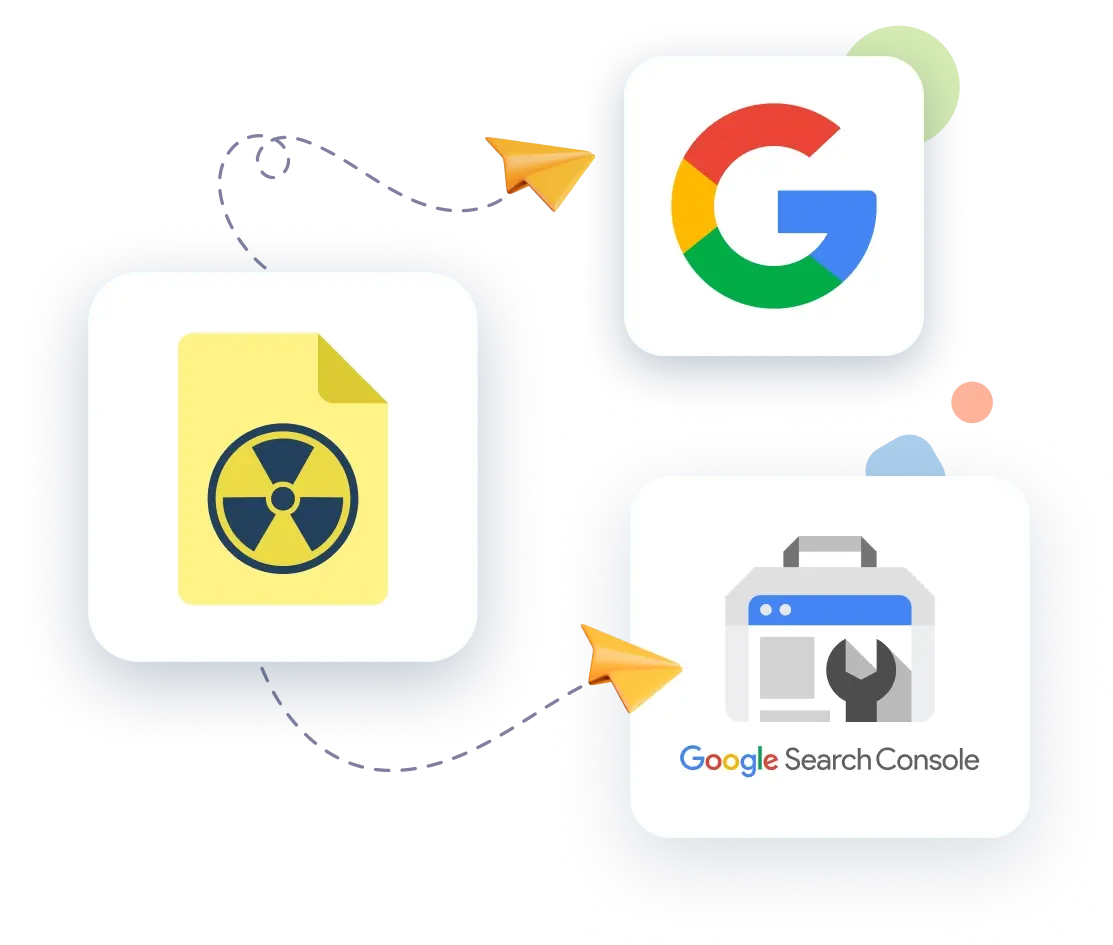
In the Google Disavow Tool, select your website and upload the disavow file you've just created. That's it — you've told Google which of your backlinks to ignore, and your site is all set to start clean! Note that it may take some time for the links to get disregarded by Google.
Advanced features of toxic backlink checker tool


Note that the automation functionality of SEO SpyGlass backlink checker is available in advanced versions only, so you'll need to upgrade to Professional license. The Professional and Enterprise editions extend the research to an unlimited number of backlinks (the free version allows analyzing up to 1100 backlinks), as well as saving projects and scheduling tasks.
Detect toxic backlinks with SEO SpyGlass Save hours on off-page SEO. Create and manage disavow files in seconds.
FAQ
What is a toxic backlink?
Are all toxic backlinks harmful?
No. Only dofollow backlinks can spoil your site's reputation provided they come from spam websites. As nofollow links do not pass any link juice, they are not taken into account when calculating Domain Authority. So they cannot harm you no matter where they come from. To make sure that a link is harmful, look at the following factors of a backlink under consideration:
1. Low domain authority
Low-quality dofollow backlinks often originate from sites with low domain authority. These websites may be new, have no substantial content, or be possibly engaged in black-hat SEO practices.
2. Spam sites
Links from spammy websites, which contain excessive advertisements, illicit or thin content, are typically considered toxic.
3. Irrelevant content
If the linking domain has no relevance to your niche or industry, search engines may perceive such backlinks as manipulative.
4. Manipulative linking
Links that are placed in an unnatural manner or that appear manipulative, like paid links, are usually deemed toxic. This includes links that are not marked as sponsored when they are paid for.
5. Fishy link patterns
If the link uses over-optimized anchor text, especially if it's using exact-match keywords, it may be seen as manipulative.
6. Links from hacked websites
If a backlink comes from a website that has been hacked, malware-infected, or penalized, it's likely to be considered toxic by search engines.
Why manage bad backlinks?
What is Google Disavow Tool?
What is a disavow file?
Do I need to disavow every backlink with high Penalty Risk score?
The answer is, actually, “do what you want”. Probably, you don't need to bother with disavowing two or three links if all the other backlinks are fine — search engines of today are sophisticated enough to simply ignore a couple of links without extra actions. Still, it is highly recommended to disavow all bad links if your site deals with a sensitive topic like medicine or law, as Google guidelines are much stricter for them.
As Google Guidelines state, you should only disavow backlinks if you have way too many bad links, and your site got a manual action for malicious linking practices or is likely to get one. Anyway, make sure a link is 100% harmful before you add it to a disavow list. All in all, run a backlink analysis first to see the general state of your backlink profile to see if you need link detox actions asap.
Why use a toxic backlink checker tool?
I disavowed my site's toxic links, but nothing happened. Is something wrong?