2549
•
7-minute read

In late July, the details emerged of a deal Yelp once swore it would never make: it handed its reviews to a search rival. The company is now licensing its ratings, photos, and listings to OpenAI, so ChatGPT can answer "good ramen near me" using Yelp's data — and the deal isn't exclusive, so those reviews could turn up in Perplexity or Google's AI next.
It's tempting to file this under OpenAI news and scroll past, but it's bigger than one deal. The platforms that spent two decades collecting local reviews are becoming the source AI assistants speak from — and that changes the local SEO job from "how do I rank on Google" to "am I in the data the AI trusts." Nothing has flipped in your live results overnight, which is exactly why now is the time to get ahead of it.
This guide walks through what you can do today to secure your local presence — and how to prepare for what's coming next.


The scale is what makes this land: 330 million reviews and more than 8 million business listings, all flowing into ChatGPT.
Here's what's actually going on. When someone needs a plumber, a dentist, or a decent café, more of them are asking an AI assistant instead of scrolling through a results page — and the companies sitting on twenty years of local reviews have worked out that they can get paid to be the voice inside that answer. Yelp is just the biggest Western name to say yes so far. It isn't the first: back in 2023, Tabelog — basically the Yelp of Japan — plugged its restaurant reviews straight into ChatGPT. This has been building for a while. Yelp just made it impossible to ignore.
And the crowd is already on the other side of the door. A 2026 BrightLocal survey found the share of people using AI to find a local business jumped from 6% to 45% in a single year — making it the third most common way people look something up.
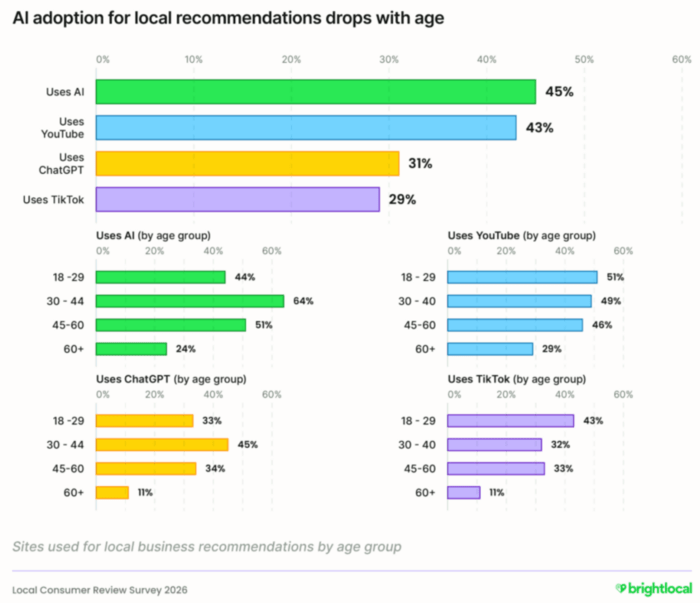
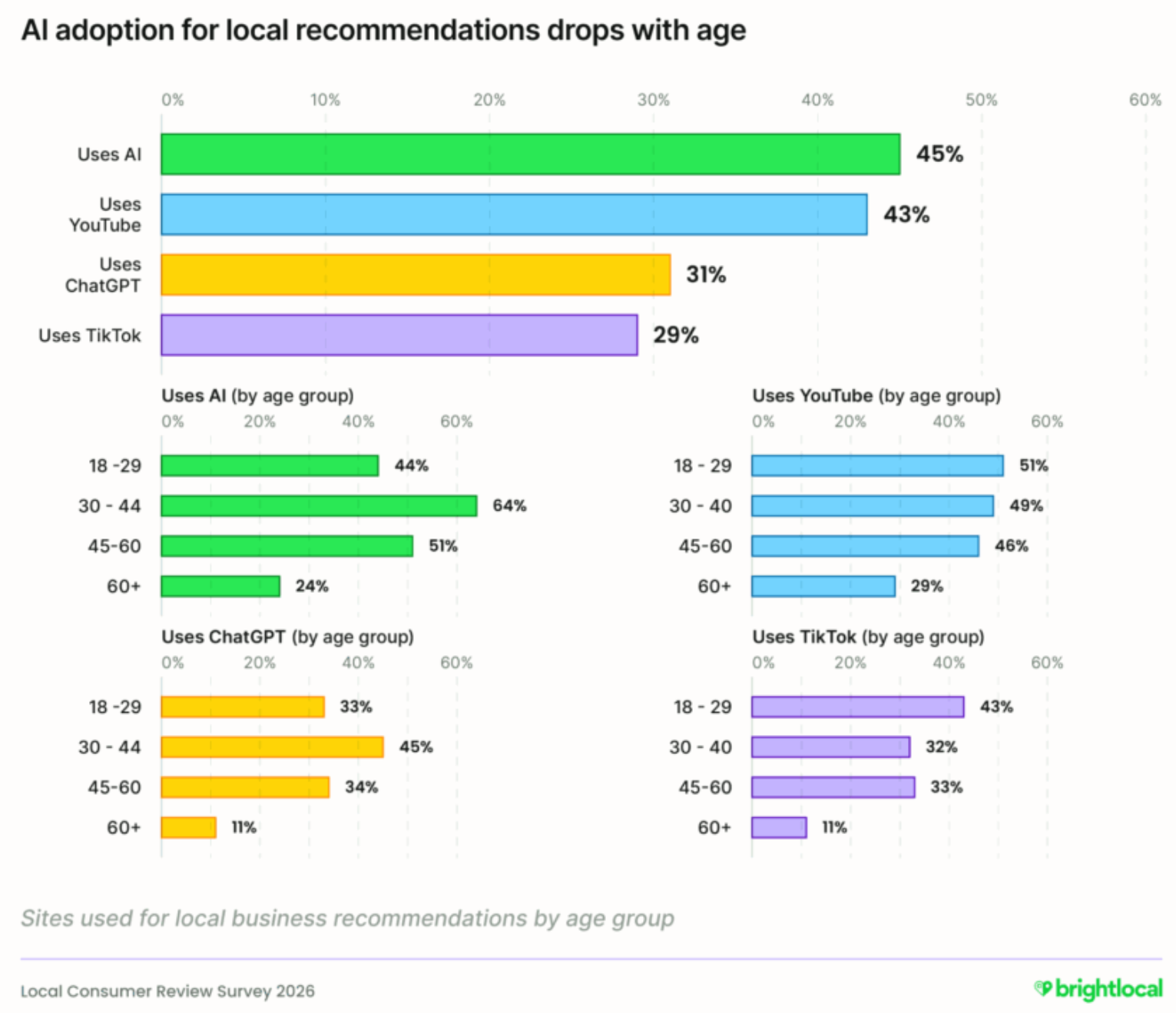
That figure leans American, so treat it as a direction, not a final score. The direction is the whole point: your customers are more and more asking a chatbot the questions they used to type into Google Maps.
So the job quietly changes. For two decades, local SEO meant one thing — climb Google's rankings. Now there's a harder question on top of it: when an AI answers for your customer, does it have good information about you, and is that information sitting wherever the AI happens to look? You don't get to pick which source it trusts. So the game becomes being there, accurate and clean, across all of them.
Before you panic, though, here's the good news: almost nothing has changed in your live results yet. Ask ChatGPT for a coffee shop today and the answer is still built mostly from Google's business data — one researcher who looked into it found the field that holds the actual review text sitting empty, and the ranking signals blank. The reviews aren't feeding answers yet, and no one outside OpenAI can see how it sorts the list. So the shift is coming, but it hasn't arrived. That makes right now the best time to get ready.
You can't see how the AI picks its sources. So stop trying to game the black box and do the thing that actually works: be present, complete, and consistent everywhere the AI might look. Whichever source it reaches for, you want to already be in it, looking good.
Here's how to do that, step by step.
Before you change anything, find out where you stand. Open ChatGPT, Gemini, and Perplexity and ask each the questions your customers actually ask — "best [your service] in [your city]," "[your trade] near me." Then read the answers closely: which businesses get named, and which sources the AI credits. If a competitor keeps coming up, look at where their information is strong. If a particular platform keeps getting cited, that's where your effort pays off first.
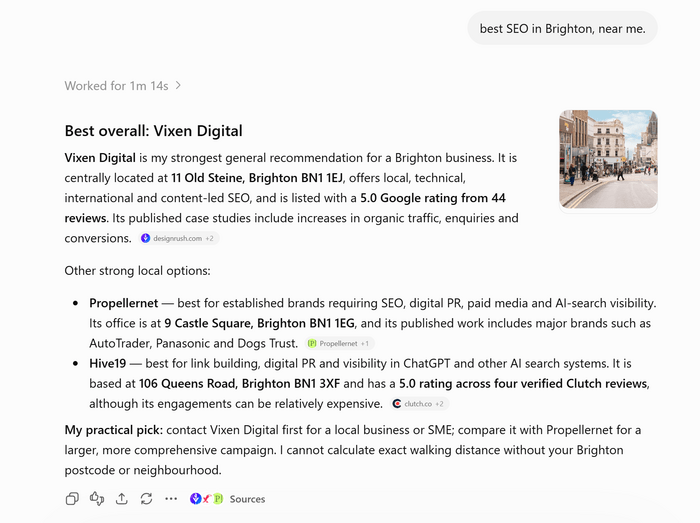
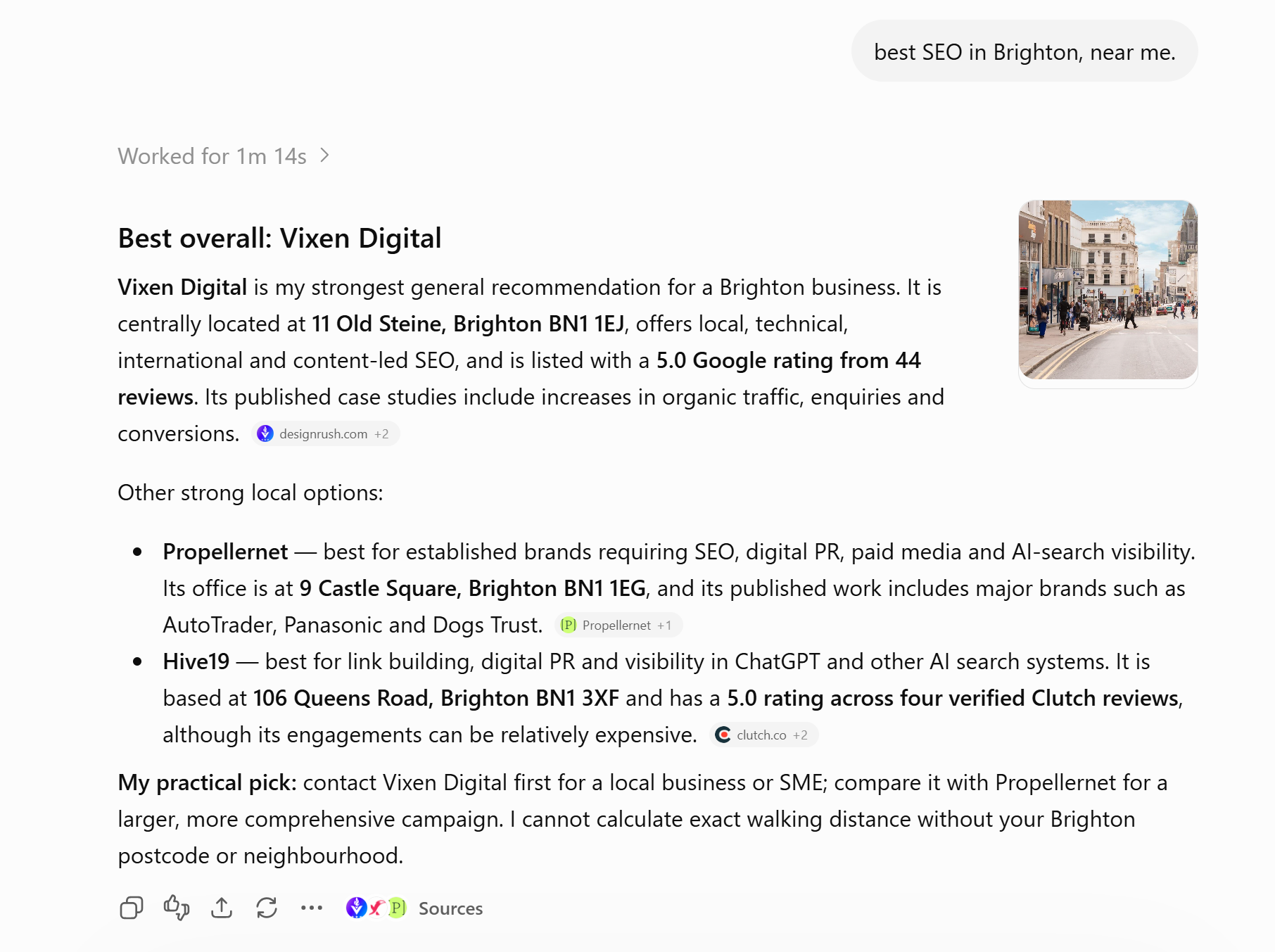
This takes twenty minutes and tells you more about your real AI visibility than any general advice can — because it's your market, not an average of everyone's. It's worth doing on a schedule, too, not just once. As these deals switch on, the sources feeding the answers will shift, and you want to notice when they do.
Before you touch a single listing, start with your own website — because if an AI can't read it, nothing else you do here lands. Two technical things decide that.
The first is schema — an agreed way of labeling your information (name, address, hours, reviews) so a machine reads it correctly instead of guessing from the page. Marking up your site as a local business, with details that match your listings everywhere else, hands the AI a clean version of your facts straight from the source.
The second is easy to miss and quietly fatal: make sure the AI crawlers can actually reach you. Models can only cite pages they're allowed to read, and plenty of sites block the bots without knowing it — Cloudflare, for one, started blocking AI crawlers by default, so if your site sits behind it you may have been switched off automatically.
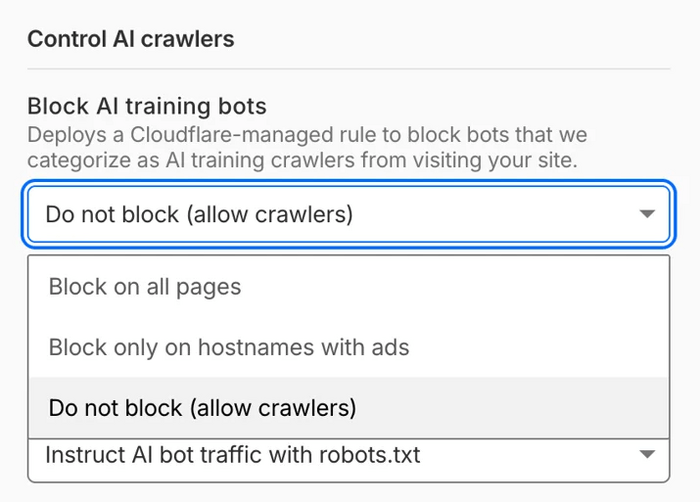
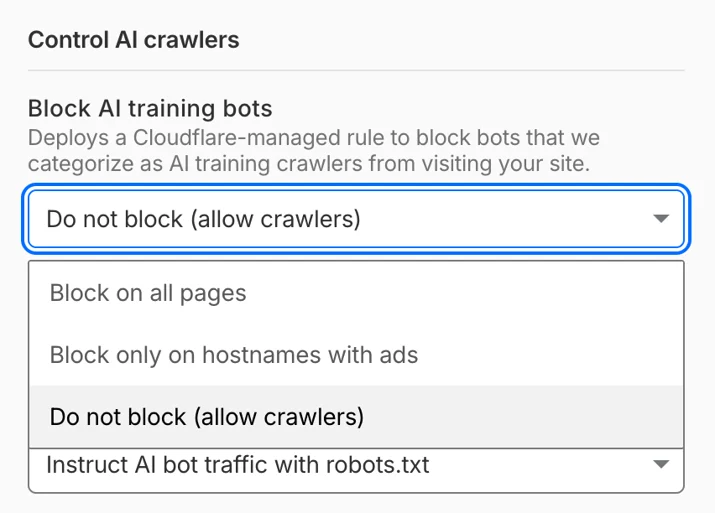
Check that your robots.txt isn't shutting out crawlers like GPTBot and PerplexityBot. You can have flawless listings everywhere else and still be invisible in AI answers for this one reason alone. Both of these are exactly what a site auditor is for — WebSite Auditor checks whether your markup is valid and whether anything's blocking the crawlers.
One thing you'll hear a lot and can safely ignore: llms.txt, a file that's supposed to tell AI systems how to read your site. It sounds official, but no major AI platform has confirmed they actually use it. It's an unproven idea, not a real ranking factor — don't spend time on it while the things above are sitting undone.
A handful of platforms matter almost everywhere in the world. Start here, no matter what country you're in:
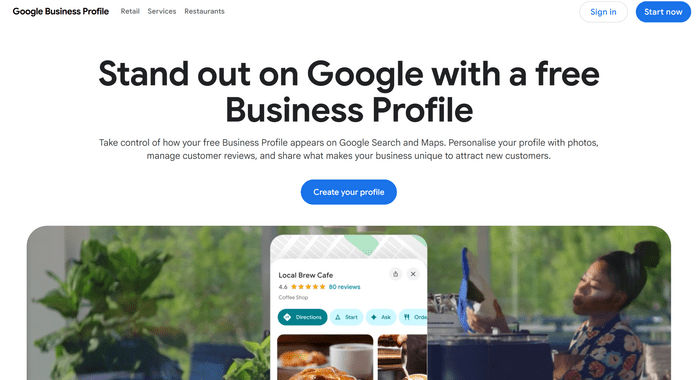
Google Business Profile — still the backbone of every local answer. If you fix one thing, fix this.
Bing Places — easy to overlook, but it matters more than it has in years. Independent testing suggests ChatGPT leans on Bing's index, not Google's, for much of what it pulls from the open web. A complete listing is worth the ten minutes.
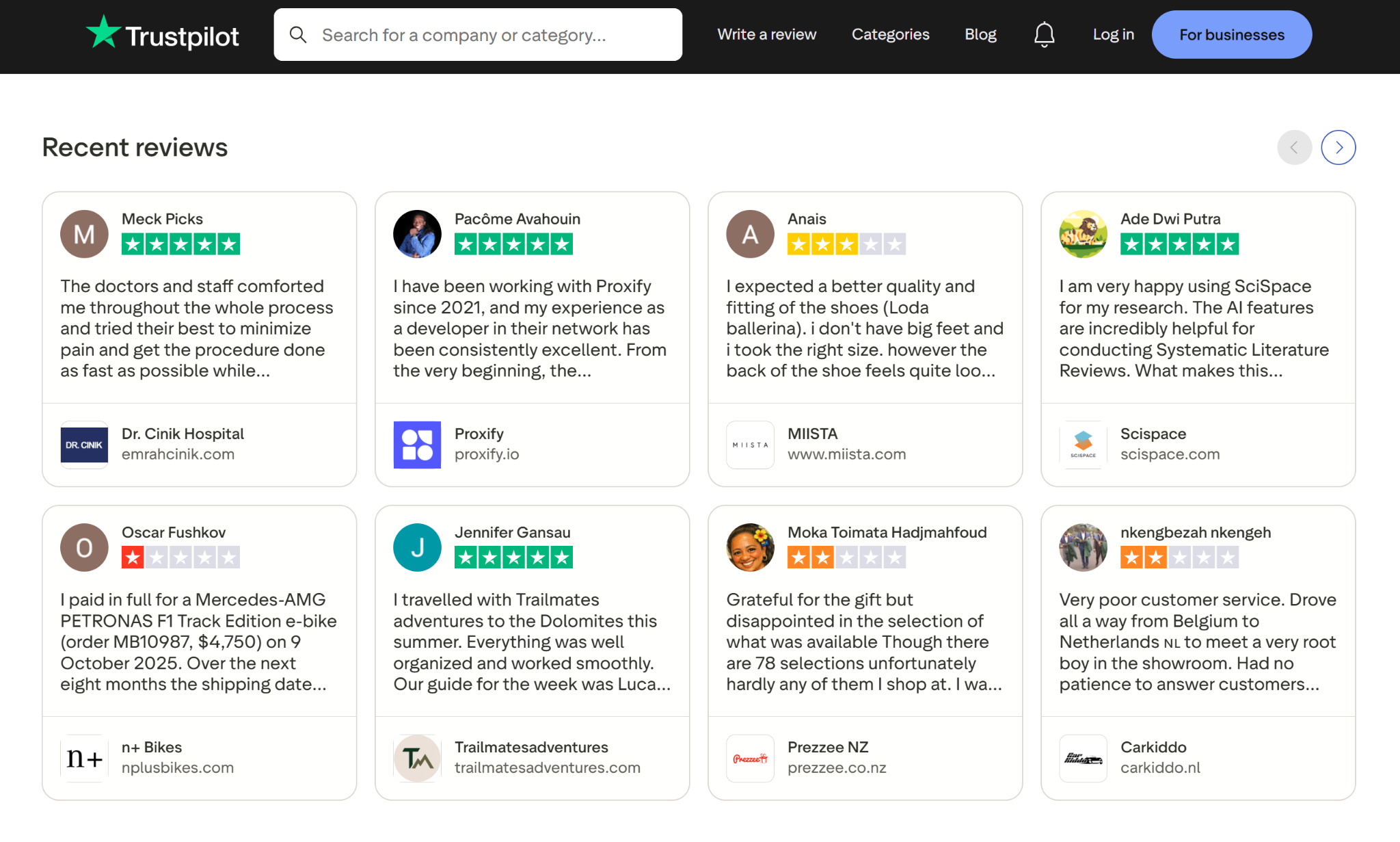
Trustpilot — the go-to review site across most of Europe.
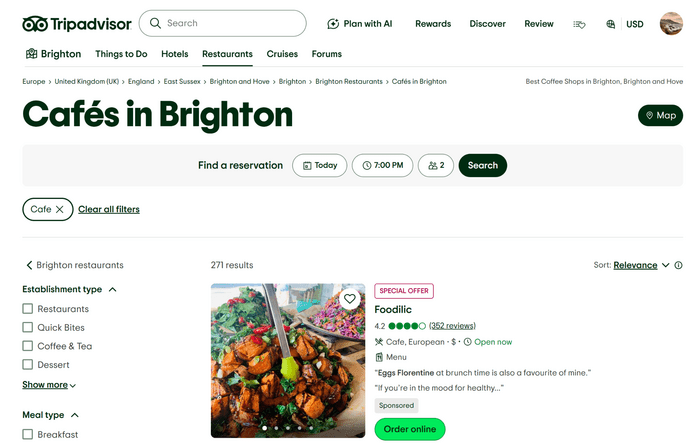
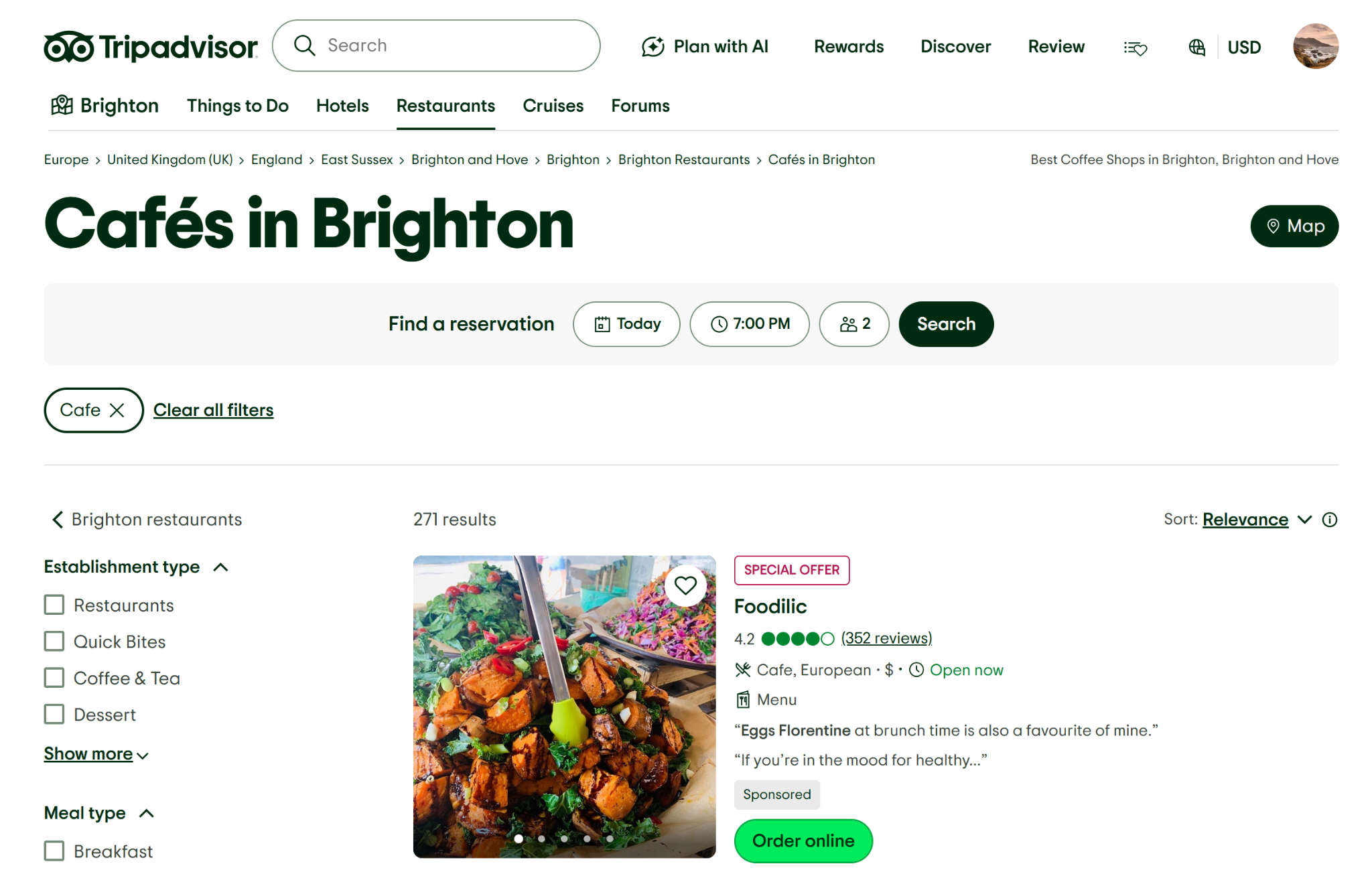
TripAdvisor — still king for anything travel, food, or hospitality.
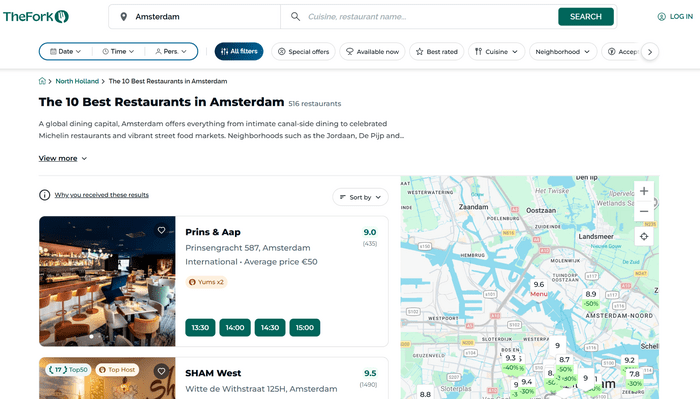
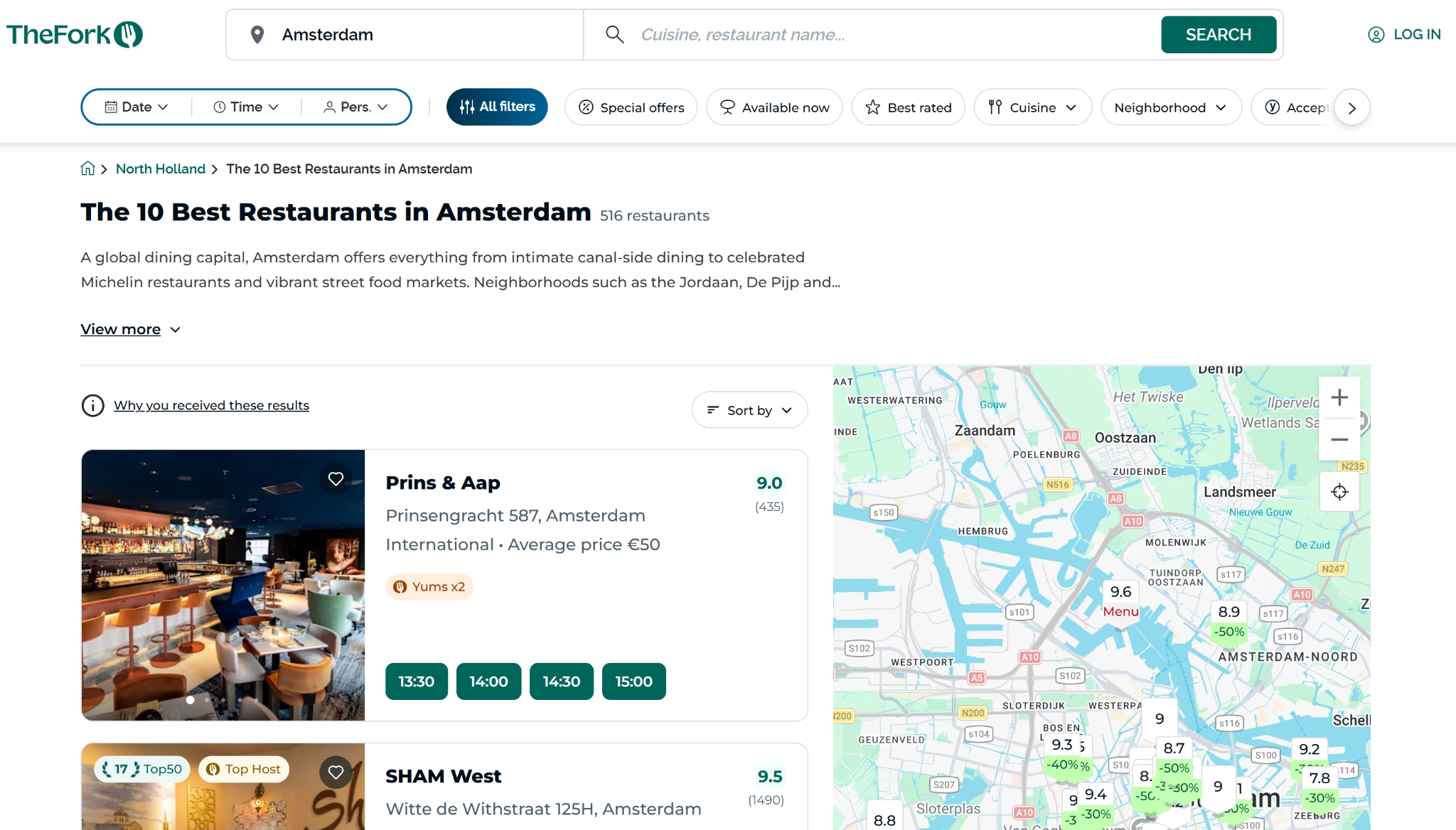
TheFork (ElTenedor) — the big restaurant booking and review platform across Europe.
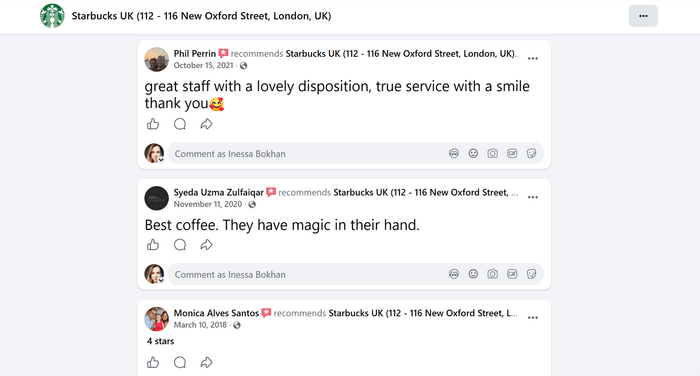
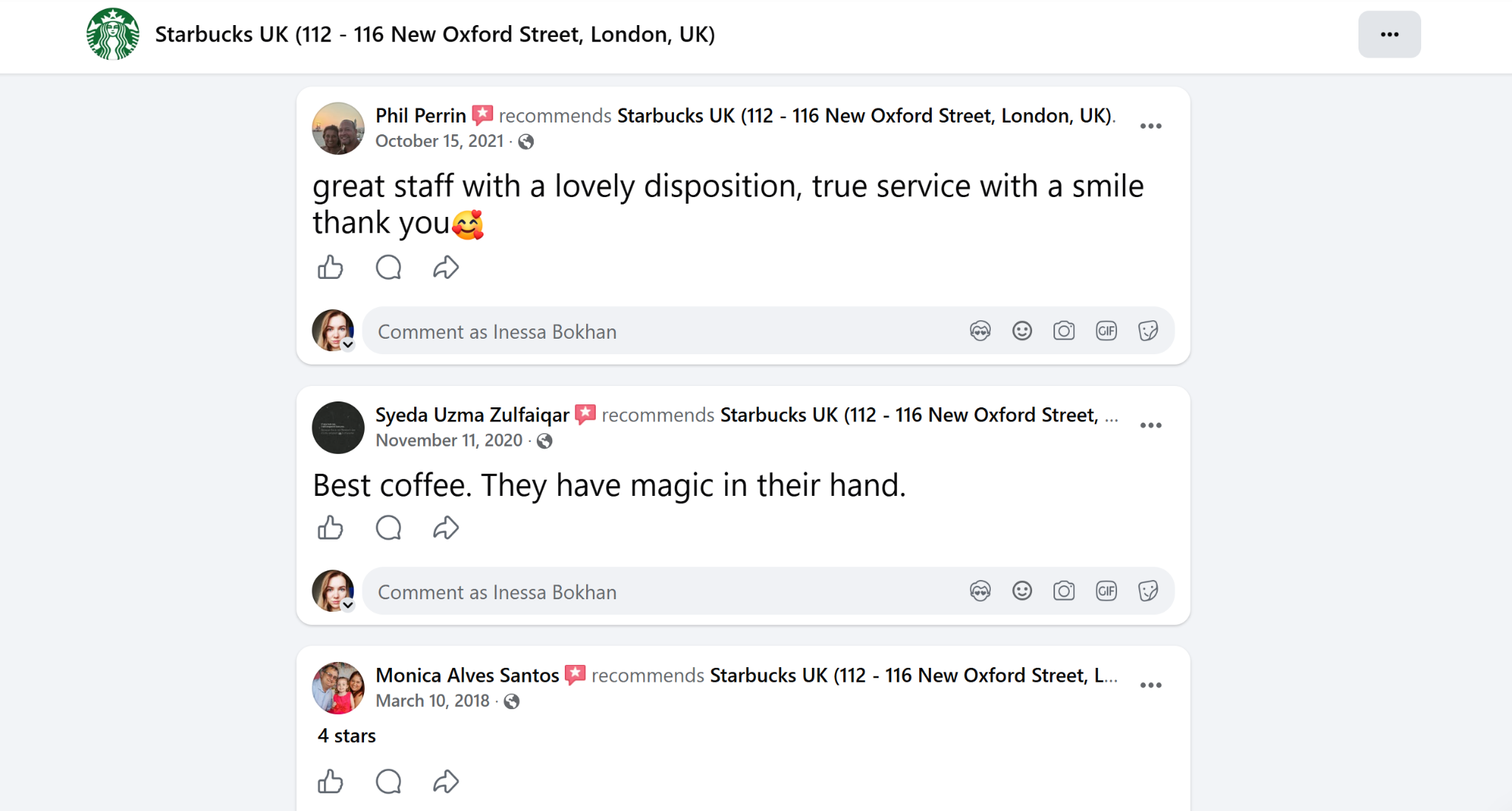
Facebook — people still leave reviews and recommendations here.
This is where most guides stop being useful, because they only talk about the US. Yelp barely exists in a lot of markets.
So find your country below and make sure you're on the sites that actually count there:
Europe
Asia
Americas
Oceania
Don't try to be on all of them. Find your row, then narrow it down by what you do. A restaurant lives on TheFork and TripAdvisor. A plumber lives on the national directories and trade sites. A doctor in Germany needs Jameda. Pick the three or four that fit your business and do those properly.
Once you know where to be, the work is the same on each site. Three things:
Fill in everything — categories, hours, address, photos, a real description. Empty fields give the AI nothing to work with.
Then get reviews, because the star rating and the number of reviews are two things the AI actually carries into its answers; a business with no reviews has nothing to show.
And keep your name, address, and phone number identical everywhere. That last one sounds boring, but it's what lets an AI match up your listings and trust that they're all the same business. One address written three different ways looks like three shaky businesses instead of one solid one.
Replying to reviews has always been good manners. Now it's more than that. Once the AI starts pulling in actual review text — and that's clearly where this is heading — an unanswered complaint can end up quoted in someone's search result. A well-written one-star review with no reply from you becomes a sentence the AI repeats to your next customer.
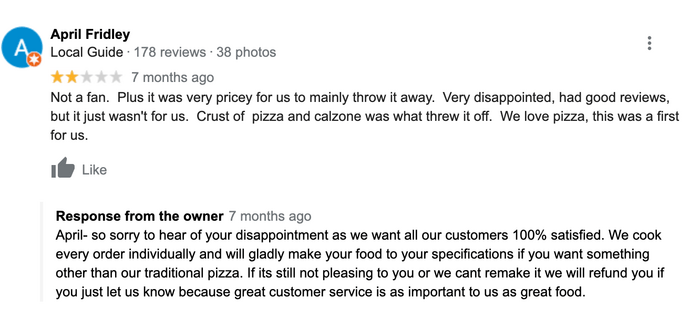
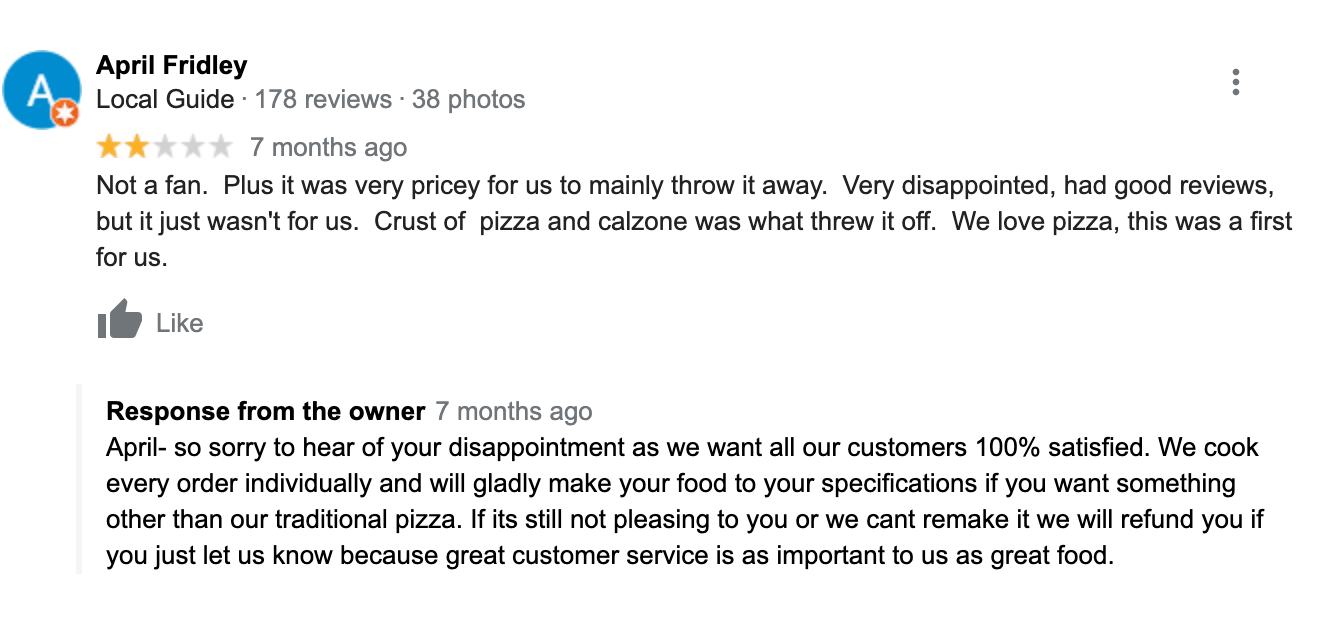
There's a quieter opportunity here too: a good reply plants facts the AI can pick up. "Thanks — yes, we do offer weekend emergency callouts" answers the complaint and adds a retrievable detail about your business at the same time. Your reply is your side of the story, and you want it in the record before the AI reads the file.
Here's the catch: you now care about your reviews and rankings across a dozen sites, in maybe a few countries. Nobody can check that by hand every week. Two tools make it manageable:
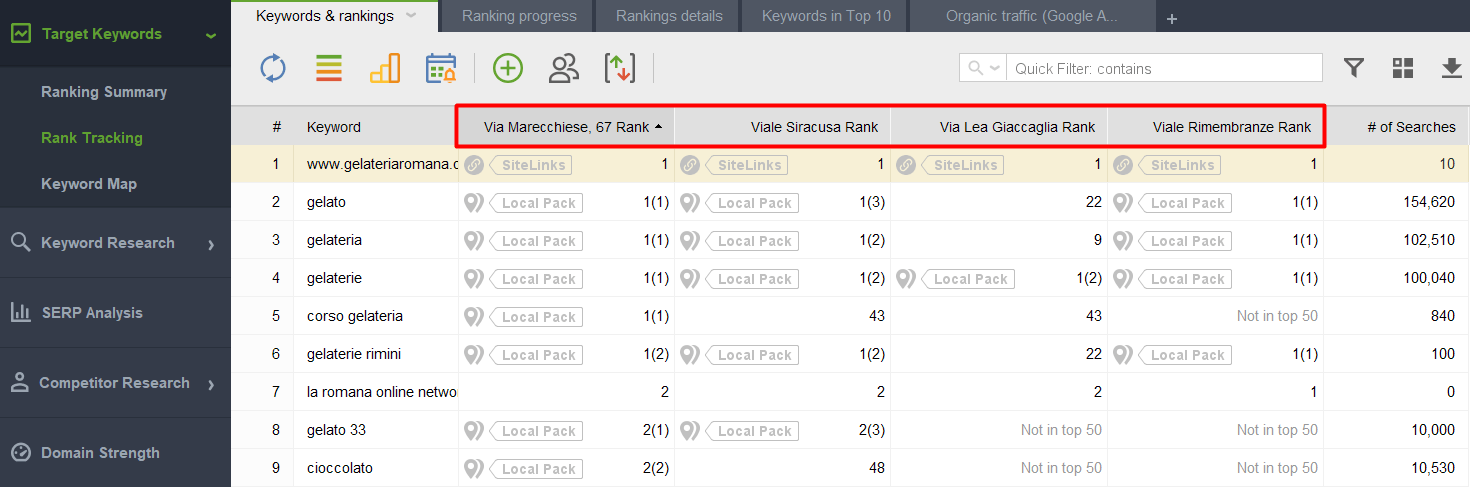
Rank Tracker lets you watch your local rankings for each location you care about, using its custom search engine setup — the same trick a lot of teams already use to track Google local packs. As AI creeps into local search, keeping an eye on where you actually stand matters more, not less.
Awario watches for new reviews and brand mentions across social and the web, so you hear about them as they land — wherever they land. You can't reply to a review you never saw, and you definitely can't watch fifteen sites in six markets on your own.
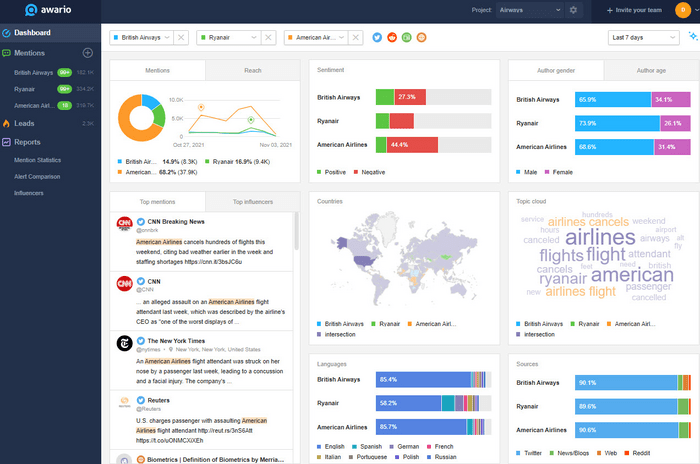
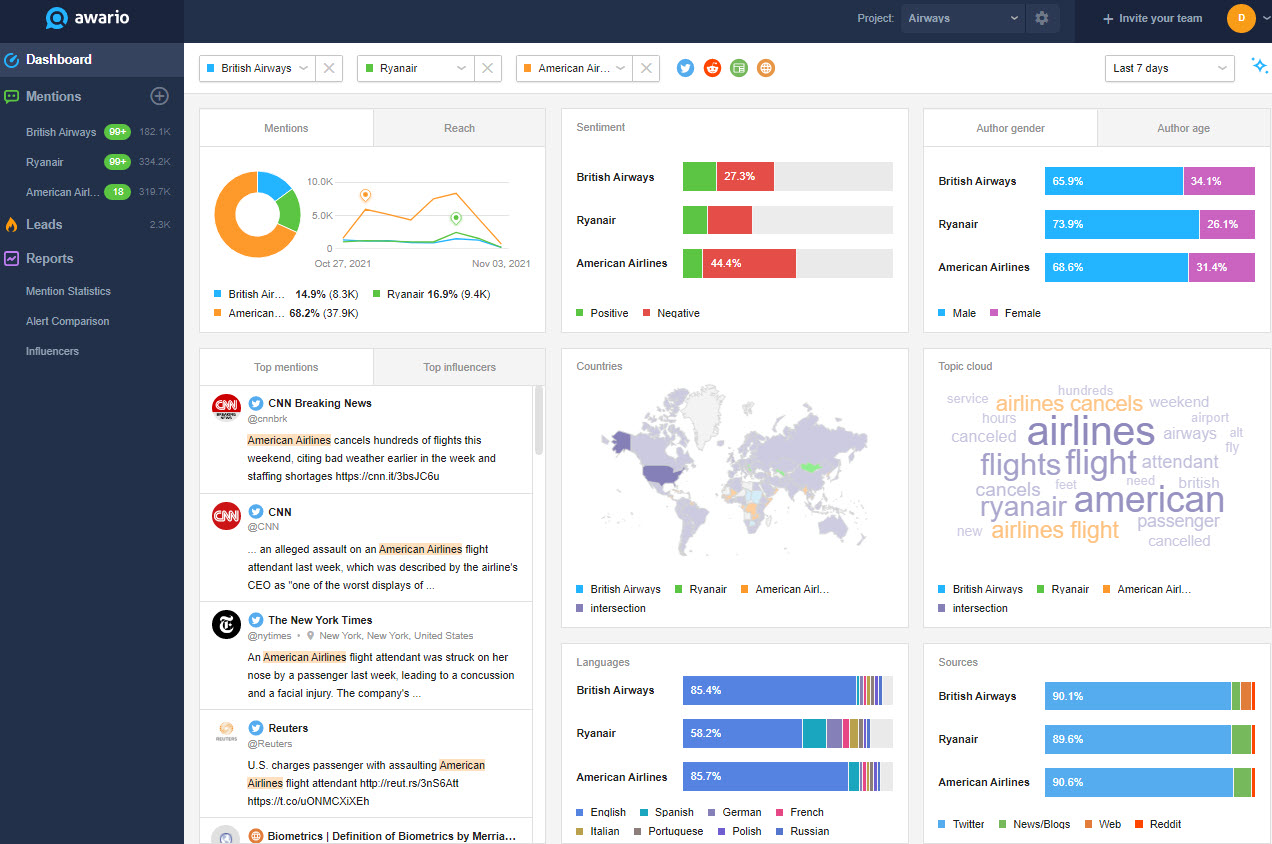
Bonus: it shows you the actual words customers use about you, which is gold once that review text starts feeding AI answers.
Everything above is about getting ready for what's already here. This part is about what's coming next — a few things that look early today but won't stay that way for long.
Buried in the Yelp deal is a feature that should worry you more than the reviews: Yelp's "Request a Quote" is coming to ChatGPT. That means someone can ask for a plumber, get matched, and send off an inquiry without ever leaving the chat. There's no click to your site, no landing page — the lead lands somewhere before it ever reaches anything you've built.
We spent the last decade learning to live with zero-click search, where Google answered the question so nobody visited the page. This is the local version of that — leads that never click through. Start thinking now about how you catch a customer who arrives through an AI instead of your homepage, because "just send them to the website" is about to stop working.
Right now the AI shows your star rating and your review count. Soon it'll sum up the actual reviews — telling your next customer, in its own words, what people say about you. That changes what a review is worth. It's not just a number propping up your average anymore; it's material the AI reads and repeats.
So it's worth gently steering what customers write. Not faking it — just nudging happy customers to mention the specific things you're good at, in their own words. "The dentist explained everything and it didn't hurt" is a sentence you'd love the AI to pass along. You can't write your reviews, but you can shape the language that ends up in them.
Give it a few months and someone will try to sell you a service that promises to rank you higher in ChatGPT's local results. Here's why to walk away: nobody outside OpenAI can see how that ranking works. Remember the researcher who looked under the hood and found the ranking fields blank? That's the whole point — it's hidden, and it seems to change. You can't improve a number you can't see. Put your effort into the things you can prove matter: complete profiles, real reviews, consistent details. Skip anyone who claims a secret formula.
This is the big one, and it's the move hardly anyone is making. Yelp to ChatGPT is one deal. More are coming — Perplexity, Google's own AI, and others will each go and license whatever review data rules a given country. When they do, the businesses already sitting clean and complete on those local sites will be the ones the AI has something to say about. Everyone else starts from zero.
The catch is that these deals go live with whatever data already exists. There's no grace period to go build your profiles once you see it happen. So the German, Spanish, Italian, or Japanese listing you fill in today is the one that pays off in six months — and right now it costs you almost nothing to do it early.
Search is turning from a list of links into a single answer. The AI reads a few sources it trusts and speaks for them — your customer gets one answer, not ten options.
You win by being inside that answer: solid profiles, real reviews, the same details everywhere the AI looks. And the shift goes beyond local — when someone asks a broader question, the AI pulls from the sites it treats as the authority on that topic. That's what RankDots is built for: it maps what people are actually asking and helps you build the authoritative content an AI reaches for.
Either way, the winners won't be chasing tricks — they'll be the ones already there when the AI looks. Worth starting now, while it's still early.


 Article stats:
| Linking websites | N/A |
| Backlinks | N/A |
| InLink Rank | N/A |